Talley Your Adventure – The Blog

Adventure Awaits!

At Talley Your Adventure, we don’t just plan luxury and culturally rich travel experiences—we live and breathe them. Our blog, travelingtalleys.blog, is where we share the real stories behind our adventures: kayaking alongside glaciers in Alaska, exploring temples in Japan, chasing waterfalls in Iceland, and wandering through storybook towns in Germany. If it’s unforgettable, chances are we’ve done it—or we’re planning it next.

Nicolette brings deep experience in travel and heritage. With a Master’s in Public History, she’s worked as a Supervisory Park Ranger, Revenue Manager, and Program Analyst across multiple national parks for over a decade. Her career has taken her from managing interpretive boat tours in Alaska’s wild backcountry to overseeing large-scale visitor service projects with million-dollar budgets. And yes—she’s also a licensed 100-Ton Inland Master Boat Captain who’s led cultural and ecological tours from riverboats to remote beaches.

Clinton’s travel roots run just as deep. He’s worked in logistics and operations for the National Park Service and was a key member of the hospitality team aboard National Geographic Lindblad Expeditions. From managing guest services on remote international voyages to coordinating facility software systems stateside, he knows what it takes to deliver seamless, high-end travel experiences—even in the most unpredictable places.

Together, we created Talley Your Adventure to bring our experience, passion, and attention to detail to your travel planning. Whether it’s a fully curated group trip or a personalized vacation built just for you, we combine expert-level service with insider know-how—so you can focus on the magic of the journey.

Want us to help you on your next adventure? Head over to www.talleyyouradventure.com!

Sakura Blooms – Inuyama, Japan

  • After learning so much about the War of 1812 while working at Fort McHenry, I started to have more of an interest in the American Revolution. Many of the same people who were prevalent during the War of 1812 were usually a major political or military figure during the Revolution, so it was only a matter of time before my interest in this time period was peaked. My past studies usually revolved around the Civil War and WWII, but I’ve found that America’s early history is fascinating.

    Montpelier (5)One of the places we visited during out time showing the house in Baltimore was Montpelier, or James and Dolley Madison‘s house. James Madison‘s name may ring a bell to those of you that know a little about our Founding Fathers as the “Father of the Constitution.” He composed the first drafts of both the Constitution and the Bill of Rights. Thomas Jefferson and Madison founded the Democratic-Republican Party, one of America’s first opposition political party of the time, which served as a platform against Alexander Hamilton and his Federalist Party. Madison served as Jefferson’s Secretary of State and later as President, from 1809 – 1817.

    How this actually relates to the War of 1812, besides the date, is that Madison was President during the War of 1812. During his first Administration, the United States prohibited trade with both Britain and Montpelier (4)France. If you read my previous post on the War of 1812, you know that both of these countries were at war with each other – known as the Napoleonic Wars. The United States attempted to remain neutral, but ultimately entered the war against England.
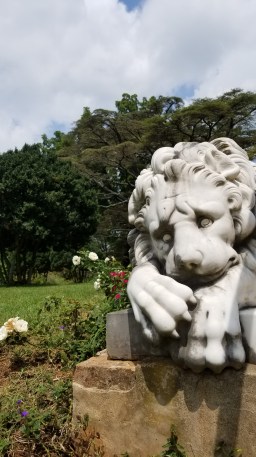
    Visiting Montpelier was exciting. It was a relatively easy drive from Baltimore, and the proximity to Monticello is so close that I recommend you try to visit both. Definitely plan time for both if you decide to visit them in the same day as there is an entrance fee of about $20-$25, depending on the tours you want to take, and they have scheduled times. We took the Dolley Madison tour, which still gave a great description of the house as we walked through but from a “Dolley” perspective. I highly encourage at least a house tour, and to take at least an hour and walk around the grounds. Each of these historic houses have large acres of land that you can stroll, and there is usually at least one if not multiple gardens. Beautiful!

    All of the homes we visited were homes that the founders lived in after their career was over, but they also lived with their slaves. One in particular at Montpelier, Paul Jennings, was born at Montpelier in 1799 to a white British merchant and a black woman. Jennings became Madison’s personal servant, where he learned to read and write. He was 10 when he accompanied Madison to Washington D.C. As the newly elected President. Jennings was Montpelier (3)eventually sold to an insurance agent named Pollard Webb, who allowed Jennings to purchase his own freedom at $8/month. After Jennings purchased his own freedom he continued to visit Dolley Madison as she grew older, and sometimes gave her small sums of money to get by. This paradox should not be lost to history – remember that many of our Founding Fathers owns slaves, at the same time they were advocating for “rights for all men”. Join a tour to learn more about Mr. Jennings and his remarkable life, and remember that the struggle for equality did not end with the first draft of the Constitution.
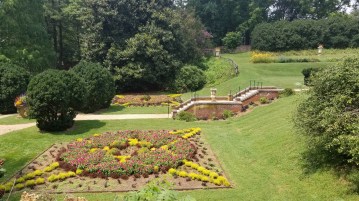
    As you walk through the Madison’s house remember that most of the item on display may be original, and do not touch! We want to preserve all of our history, the good AND the bad, for future generations to learn and enjoy on their own. Continue traveling, and we will see you here next time!

    Montpelier (2)

  • Welcome to Talley Your Adventure’s exciting new Adventure across America! We plan to talk about a dozen amazing states in America and highlight one each month. As a celebration to the 250th Birthday of the United States, Talley Your Adventure will not only showcase these wonderful states but encourage all of you blog readers to visit this year and celebrate as a citizen of this great country!

    So, where should we start? How about the current state that the Traveling Talley’s are living in – Virginia! We’ve been in the Northern Virginia area for two years now and have loved most every minute of it! What have we not liked? THE SNOW! THE COLD! We will get to that, though…let’s talk about all the cool reasons you should take a week and #VisitVirginia!!

    Historically, Virginia was first settled by English colonists in 1607 at Jamestown. You can visit the site today as it is preserved as a partnership between the National Park Service and Jamestown / Yorktown Foundation. Close by but made famous for a completely different period of time is the Yorktown Battlefield. After declaring independence in 1776, there were many clashes between the British Army and the colonists in the state of Virginia. I will admit, it is a bit difficult to visit an American Revolutionary site when there are so many Civil War parks in the state of Virginia – but you should absolutely put Yorktown on your battlefield list as the one and only selection if that is all you can do for your trip! Yorktown Battlefield was the last, and most decisive, victory that General George Washington and his Colonial Army over General Lord Cornwallis and his British Army. This victory led to the surrender of Cornwallis and the creation of the United States of America!

    The American Revolution is also on full display in many other gorgeous areas of Virginia – and least of all are the many Founding Father homes that dot the landscape! George Washington’s Mount Vernon, Thomas Jefferson’s Monticello, and James Madison’s Montpelier can all be toured either as a group or independently and are absolutely worth the price! Pay attention to when these museums are open as they are independently owned by a trust or fund and their hours can vary. They can also close for private events. When visiting Mount Vernon, make sure to stay and watch the 4D video. It is interactive by the unique way they fuse in the cold winter months while General Washington was in Valley Forge (it really gets cold in the room and they blow fans with bubbles!) and allows for a cool walk along the property.

    A history tour of Virginia would not be complete without a mention of the many Civil War battlefields throughout the state. It is a great state to stay a couple days either in the Richmond area or Fairfax area to get a multi-day battlefield tour scheduled! Some of my personal favorite battlefields include Manassas, Fredricksburg, Spotsylvania, the Wilderness, and Chancellorsville. All of them offer hiking opportunities for you to ‘walk as a soldier’ through the battlefield as well as guided or ranger led tours of the battlefield that bring you to specific locations. Either of these are worth the time! What I love the most about Virginia battlefields rather than other states battlefields is their attention to detail on the battlefield and their willingness to allow you to walk the trail yourself without interpretation from others. I love strolling the battlefield on my own! All of these are owned by the National Park Service and are free of charge! Support your park while you are there and buy something from the gift shop!

    Viginia is part of the Appalachian Trail, with 557 miles of trails in the state alone! Even in crowded areas such as Fairfax, there are plenty of opportunities to explore nature without leaving the states. One of the best areas we go for access to the Appalachian trail is in Shenandoah National Park. Our favorite access is Front Royal via the many Scenic Byways you can travel throughout Virginia. You might have heard of the Blue Ridge Parkway and Skyline drive, but there are others in the form of historic battlefield drives or fall color routes. Look for smaller signs along the road or ask your GPS to specifically find scenic routes to experience this beautiful part of Virginia! Along Route 7 includes the cute town of Bluemont, which hosts several wineries and breweries! During the fall season, you can join hay rides, try to find your way through corn mazes, and figure out which pumpkin you want to bring home with you at their seasonal pumpkin patches. We really enjoy Dirt Farm Brewery, which as an amazing view of not just their farm, but the mountains and skyline. Their 4 miles hike is a bit challenging but the Pumpkin Ale they serve (seasonally!) is worth it in the end!

    If country breweries and wineries are not your thing, do not worry! Virginia has an impressive assortment of food across the state. From laid back dives to Michelin style restaurants, we have consistently been happy with each new choice we make. Recently, we went to a delightful restaurant named Trummers. The service and food was fantastic and the ambiance was superb – we definitely recommend! We’ve had the fortune now of living in Virginia for two years and have sampled many of the amazing restaurants in Northern Virginia – excellent sandwich shops such as Twisted Sweets & Savory bring that Hungarian flare I always love, and Chateau de Chantilly is an excellent choice for a quick breakfast stop. Our apartment complex is within walking distance to both Sedona Taphouse and Uptown Grille – which we frequent! 🙂

    Our time in Virginia has been amazing – and we can make your trip just as sweet! Contact us for more information on how to make your ideal trip to Virginia, one of the most beautiful states in the US, during your 2026 America Tour!

  • 20180401_043537.jpg
    20180401_141445.jpg

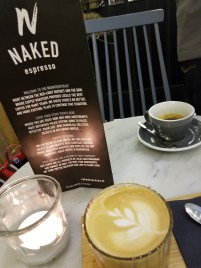
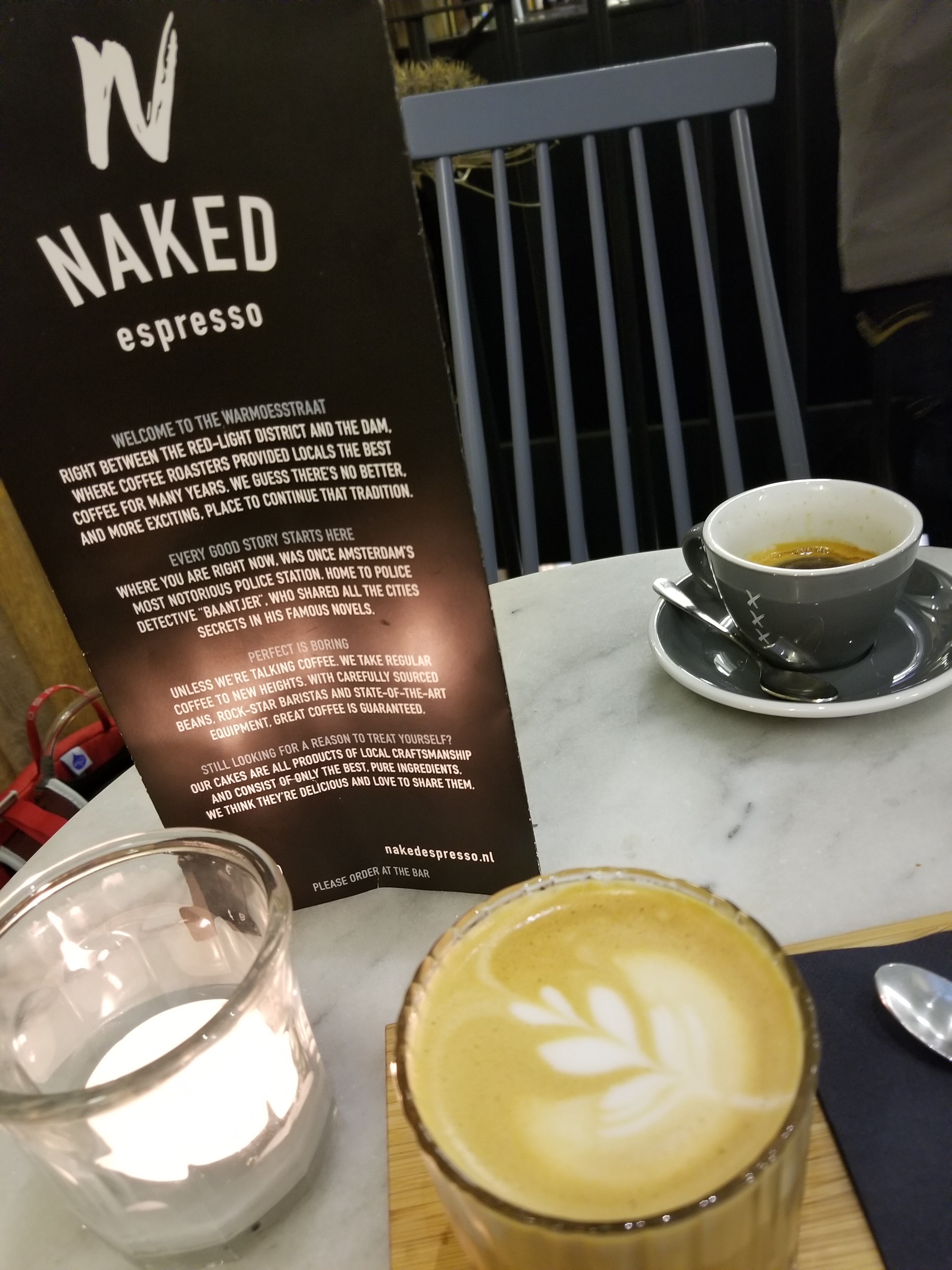
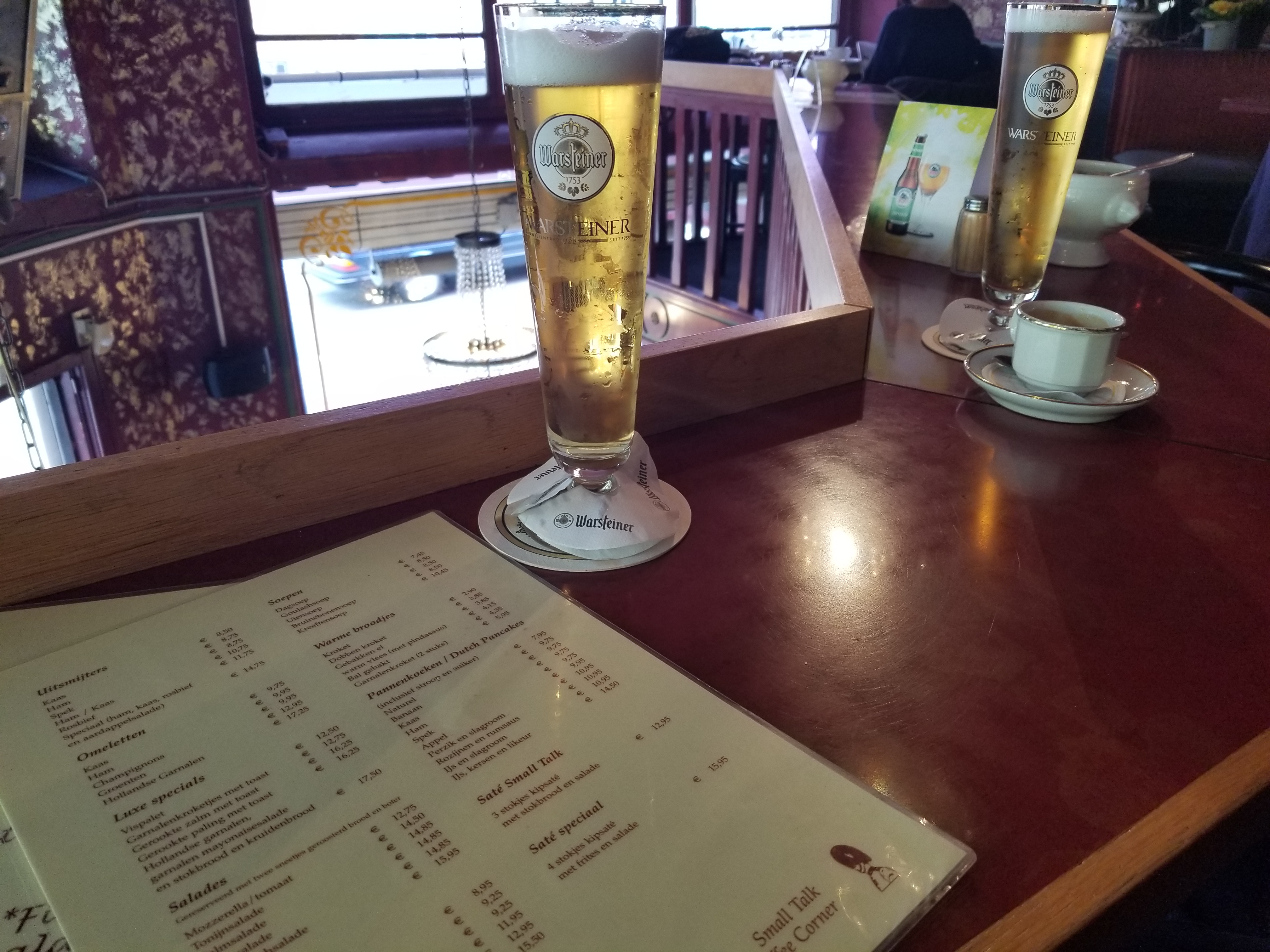
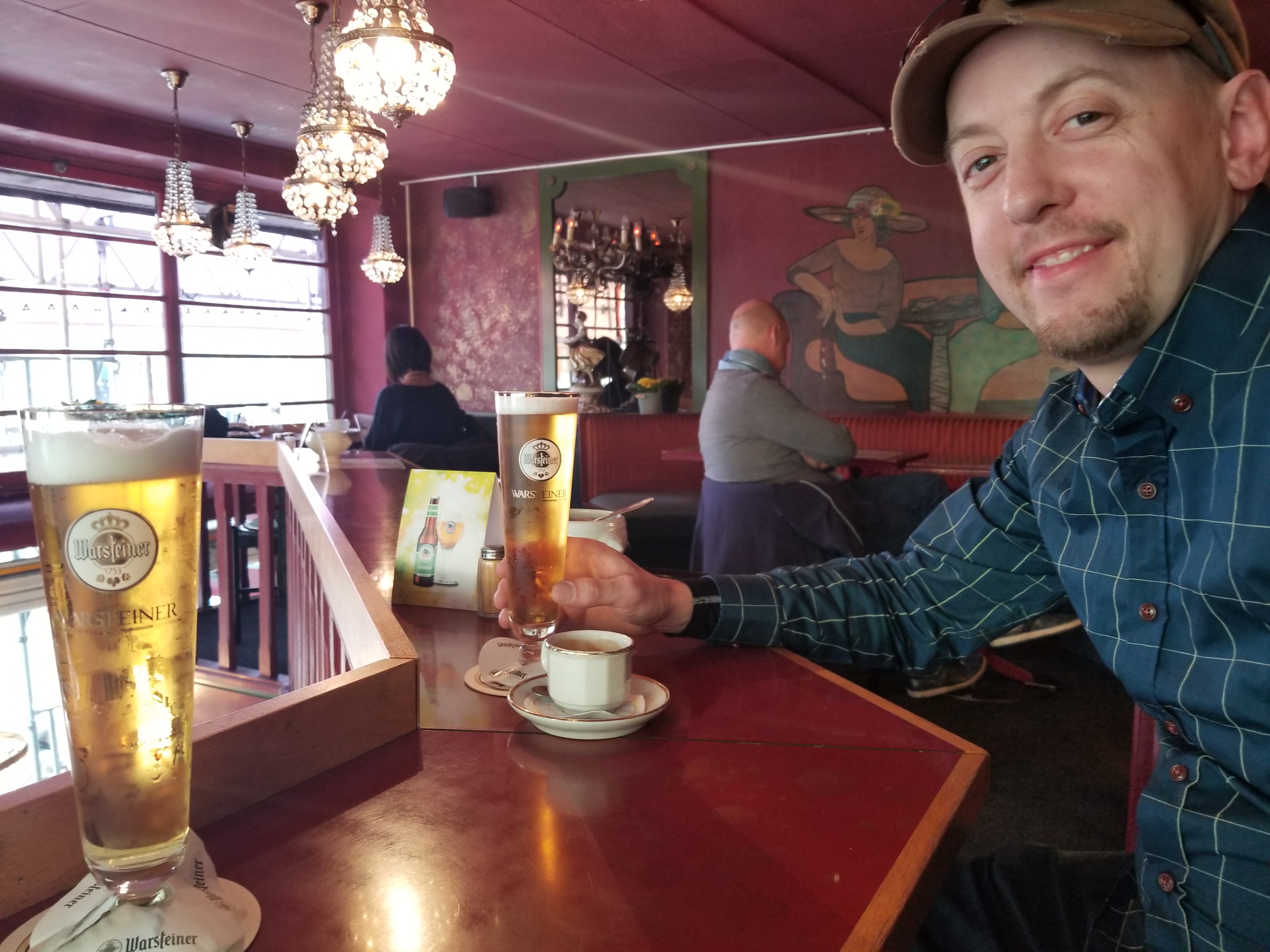
    We landed in Amsterdam at 9 a.m. after an overnight 7 hour flight (with a connection that started at 5 p.m.) the night before. Whew! We slept a little on the plane, but honestly we were so excited that we strapped on our backpacks and started walking around the town! No exhaustion here! Our first stop was a really small coffee shop to get a little breakfast and coffee. The place was right in the thick of the tourist area (basically where you get off the train, which we took from the airport) and is called Naked Espresso. After stretching out on their benches and relaxing for a little bit, we decided that our plan was to drop off our bags and then head back into the city. Our Airbnb hosts were very gracious to let us access the place early, and we were very happy to have our bags off our back. (Note: we each brought ONE backpack, and that was it. So when I mention our backpacks, I’m talking about all our clothes, toiletries, and anything else we may have brought or bought throughout our trip!) Our Airbnb was a little bit outside the city, about an hour walk or a quick train ride in. We walked mostly everywhere- I’m in a 100 mile fitness contest for the Spring season! The apartment was near two wonderful parks – Rembrandt Park and Vondel Park. I highly recommend you do Airbnb wherever you feel comfortable – it’s the best way to see a city outside of the tourist part. Plus, it’s usually less expensive.

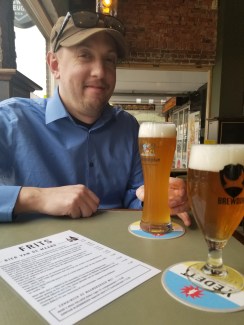
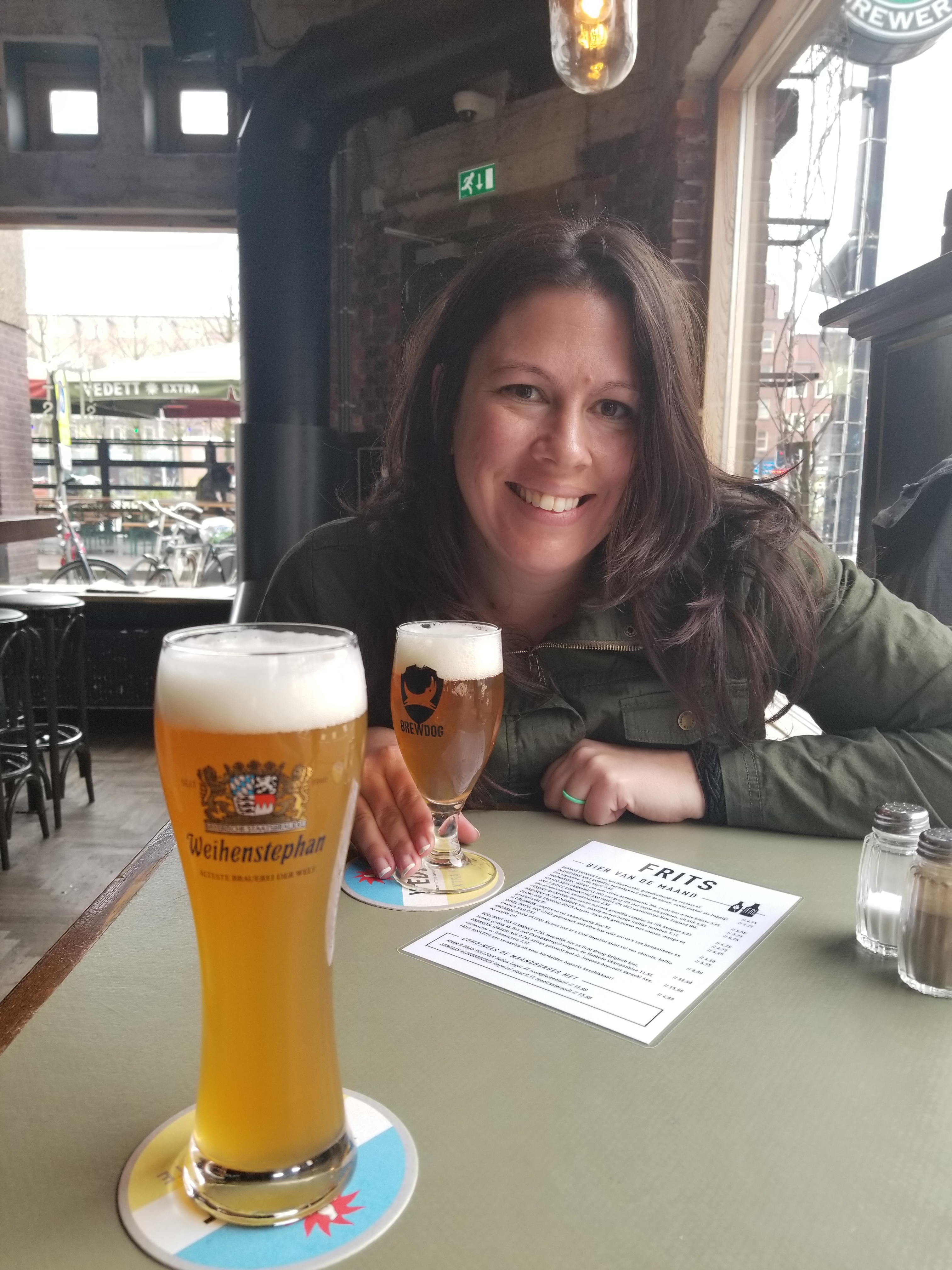
    We planned to be in Amsterdam for 3 nights and 4 days to really get a good feel of the entire city. We planned our days based on the area of the city we wanted to focus on. After we dropped off our bags, we headed back into the city just to walk around and get that “tourist” feel. We came back to the apartment and close by was a cafe called Frits. Really great food and drinks! We were happy to have a low key night in such a great town.

    20180402_102006

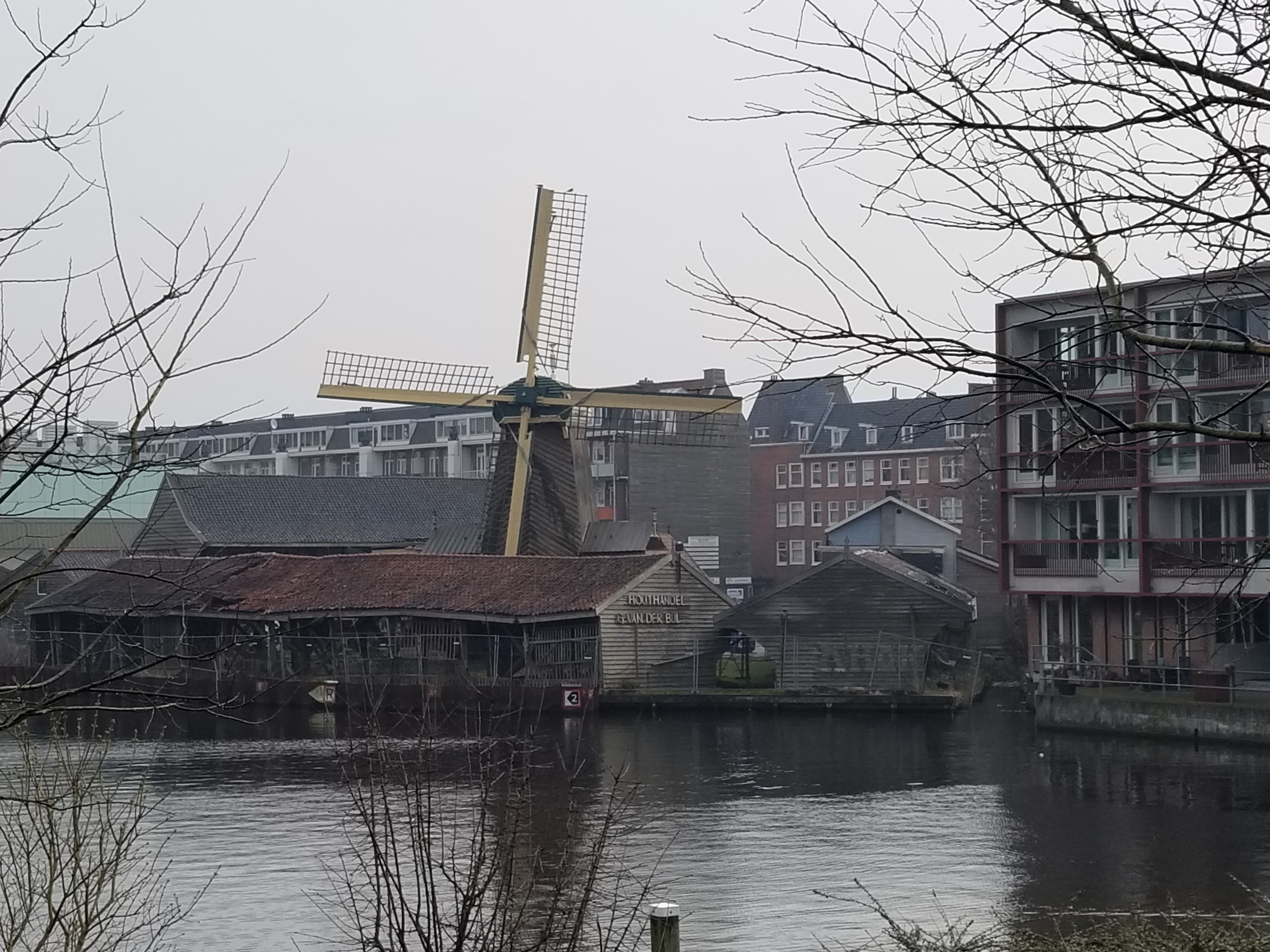
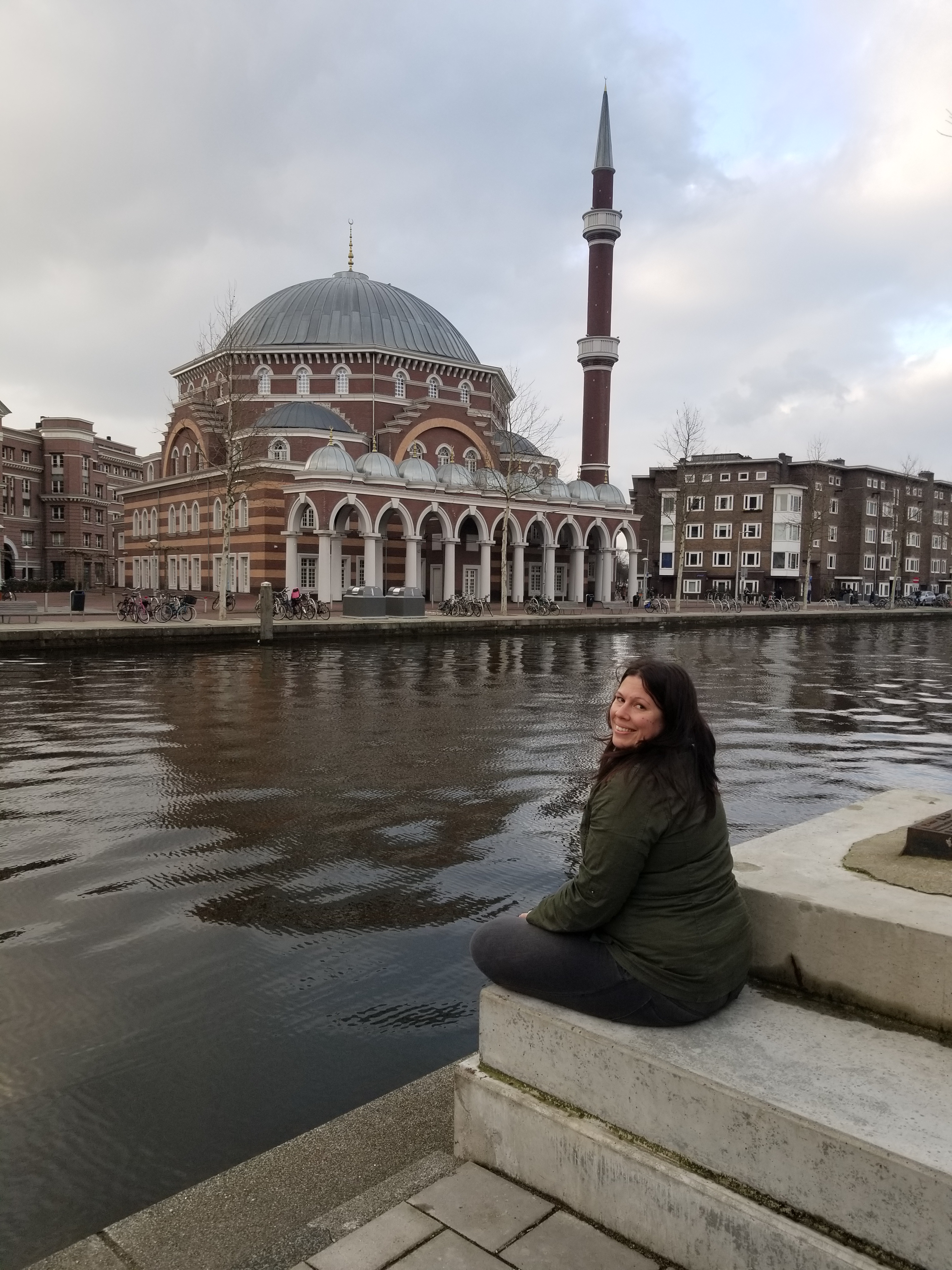
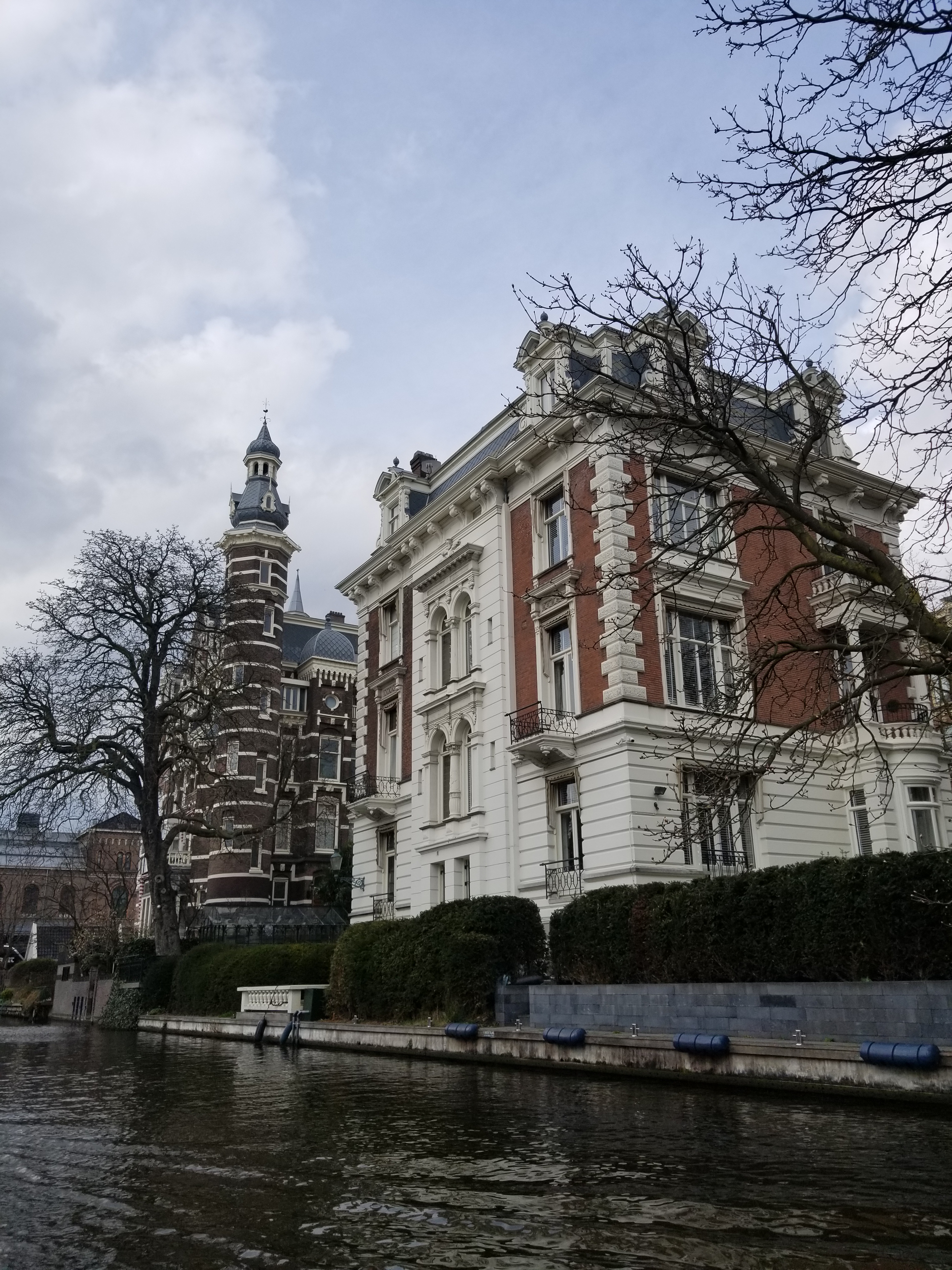
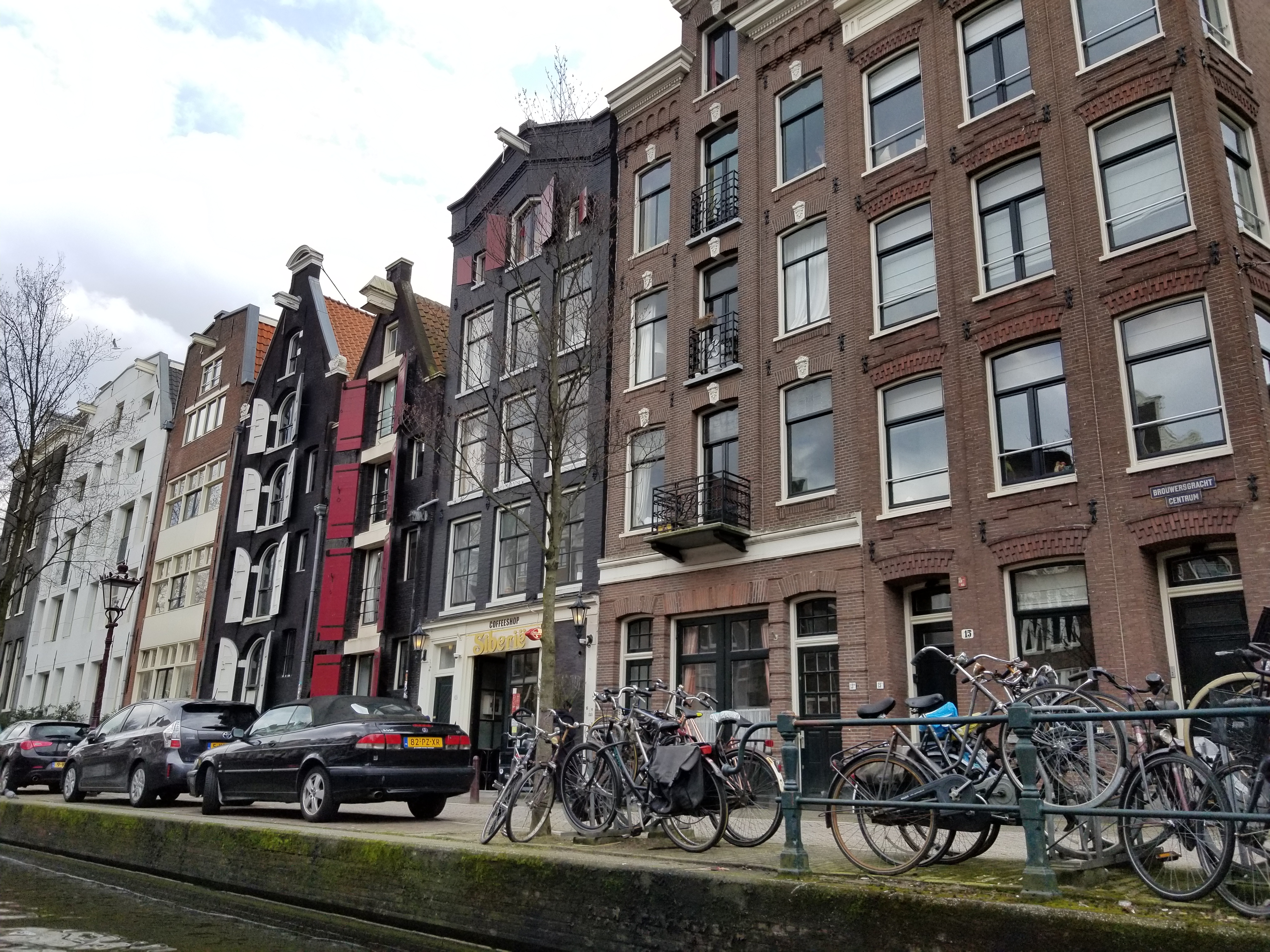
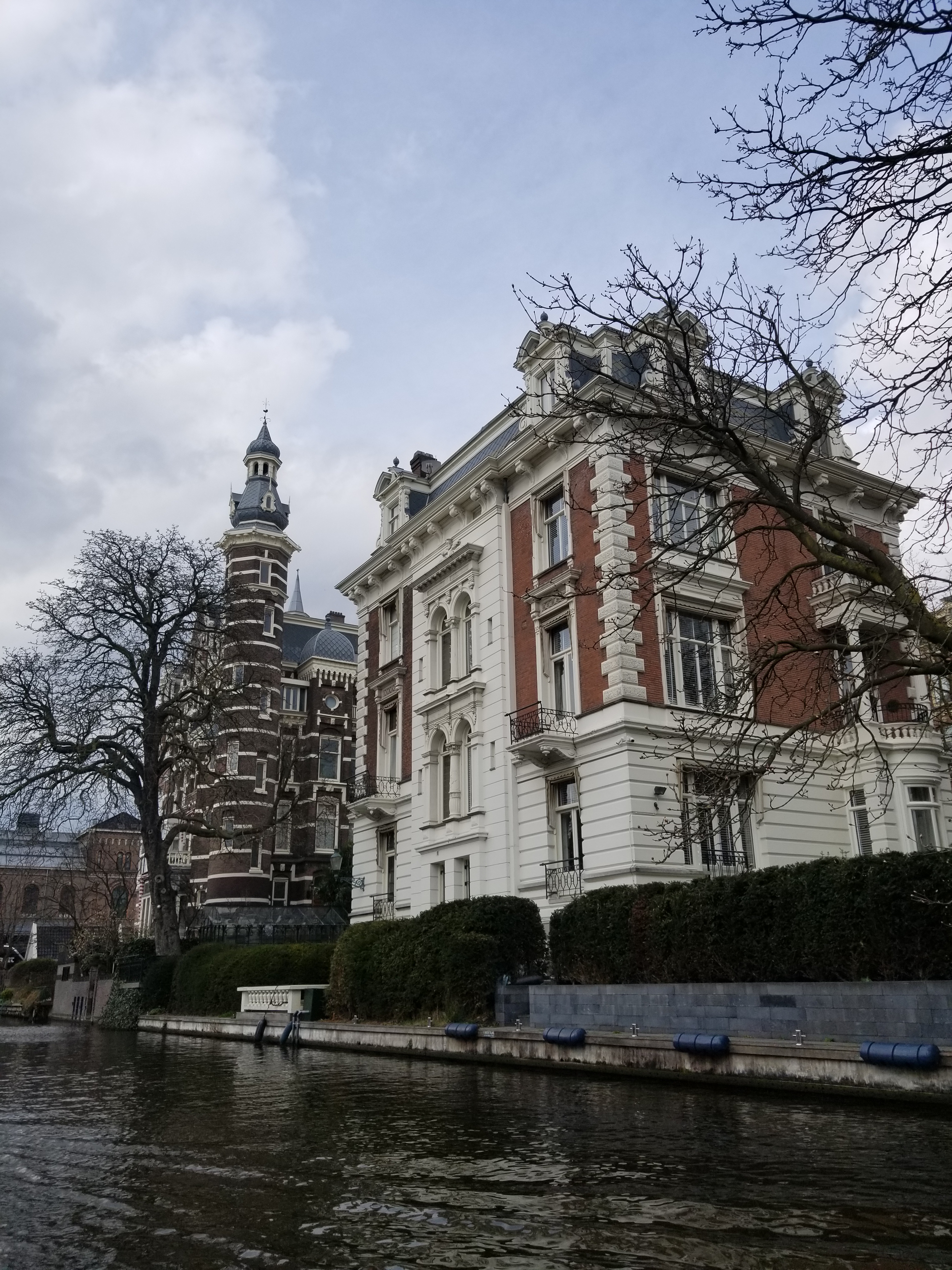
    Amsterdam is known for many things, but one of the best things I love about the city is the beautiful architecture and the amazing history.  Our second day was spent walking around the main city center to take in the architecture and history. The Netherlands, like most of Europe, was conquered early on by the Romans. The major difference is that the Romans didn’t build or really influence the city of Amsterdam much. This allowed the people of the city to build a city-state that focused more on their own necessities – mainly, manipulation of the seas! The Dutch are well known for their triumphant nautical history, and this does not disappoint in Amsterdam. With major powers leaving them “alone” for the most part, and no Church-sanctioned feudal relationships or distinction between upper or lower class, Amsterdam was able to thrive as a society on individualism and a free, open, progressive attitude.  By 1600 the Dutch controlled the sea trade between England, France, Spain, and the Baltic. This was the height of Dutch control and influence and gave rise to the Dutch East India Company. Half of the sailing between Europe and Asia was managed by the Dutch, and Amsterdam’s residence enjoyed many of the exotic products that were imported. The Dutch, and subsequently Amsterdam’s, power would fall when the British began to increase their maritime capacity, but the great history and beautiful architectural buildings are still around the city to remind us of their powerful past. Fun fact – the 17th century canal ring in Amsterdam is part of the UNESCO World Heritage List!

    20180403_140523

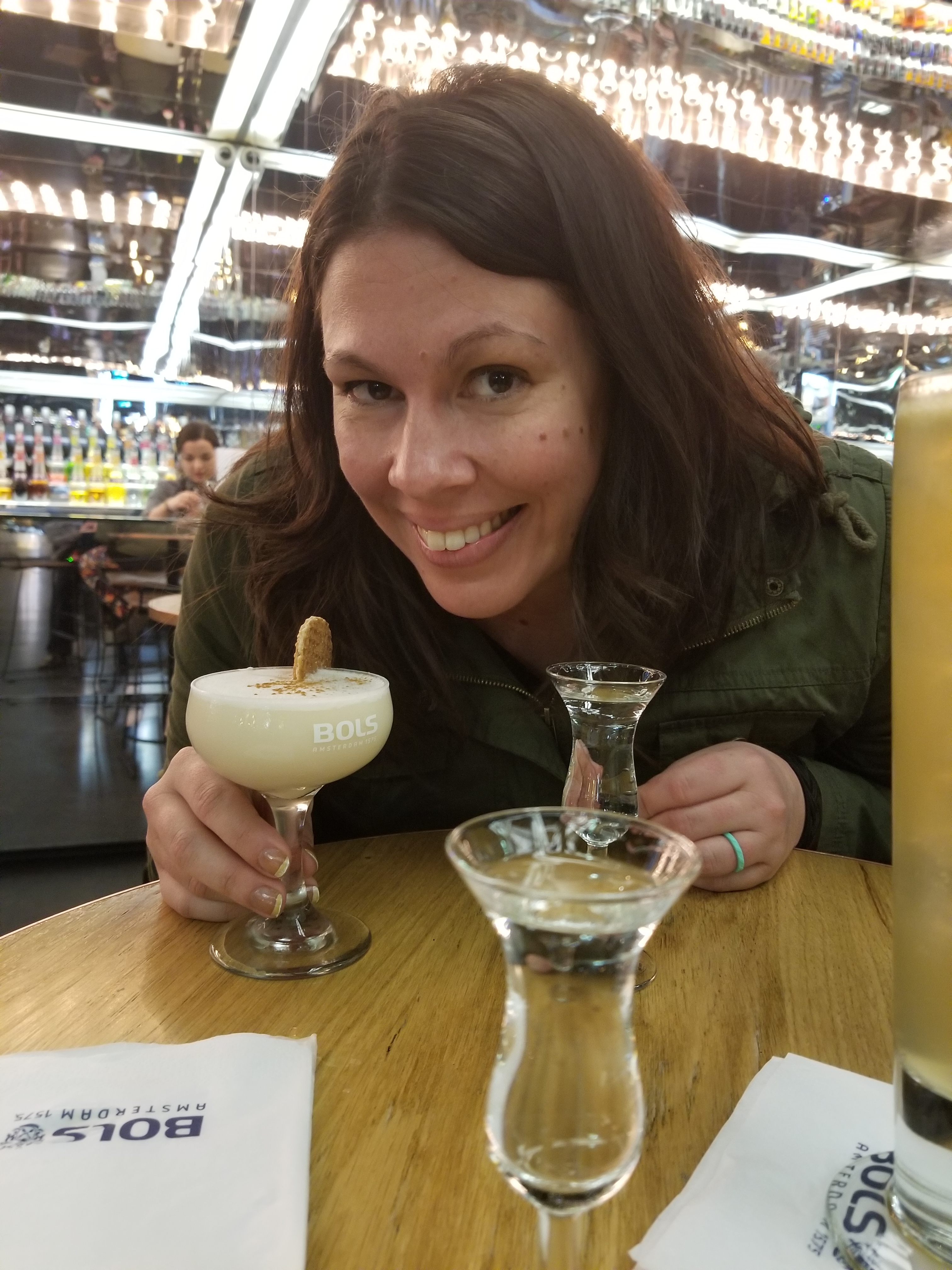
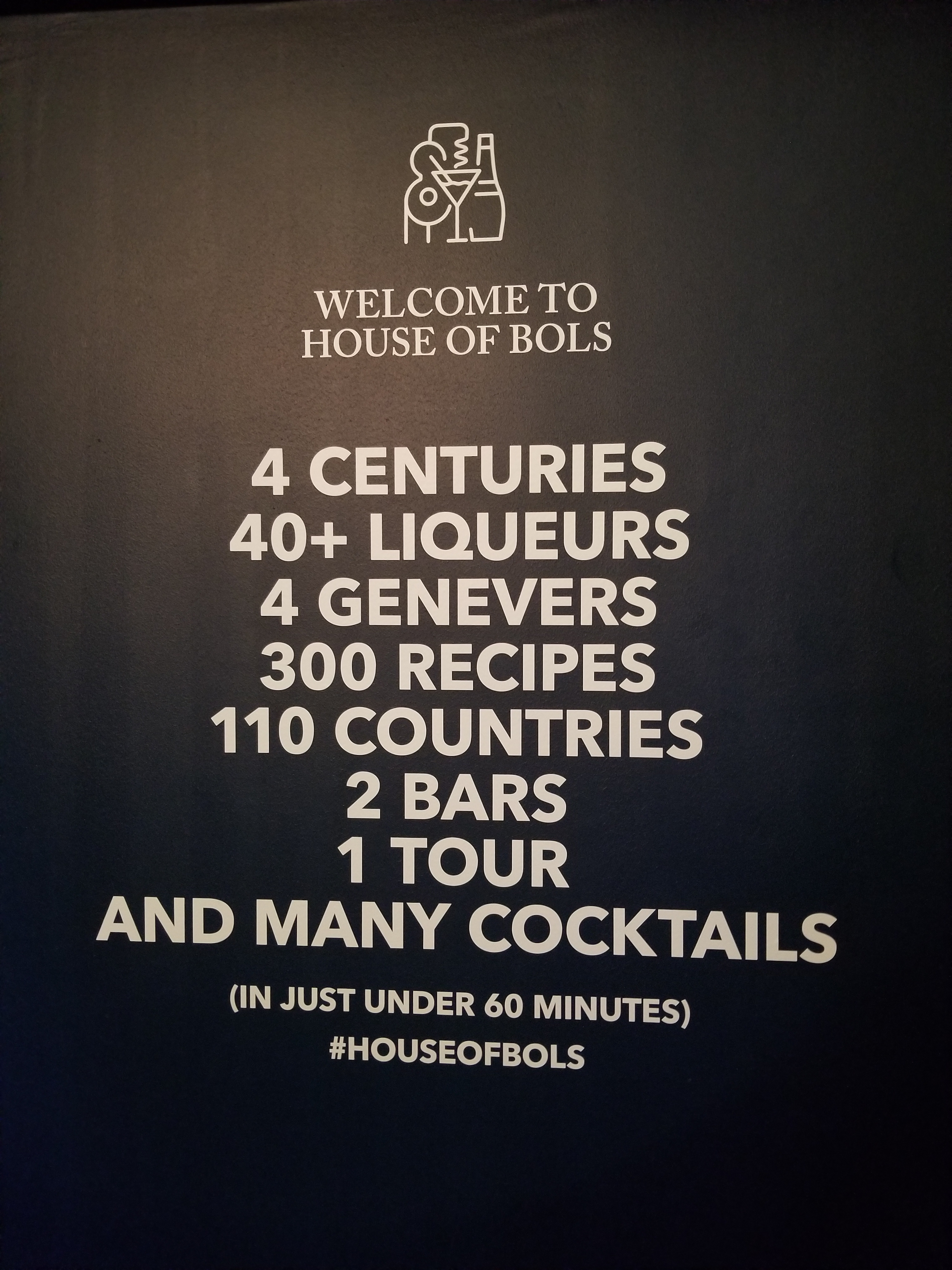
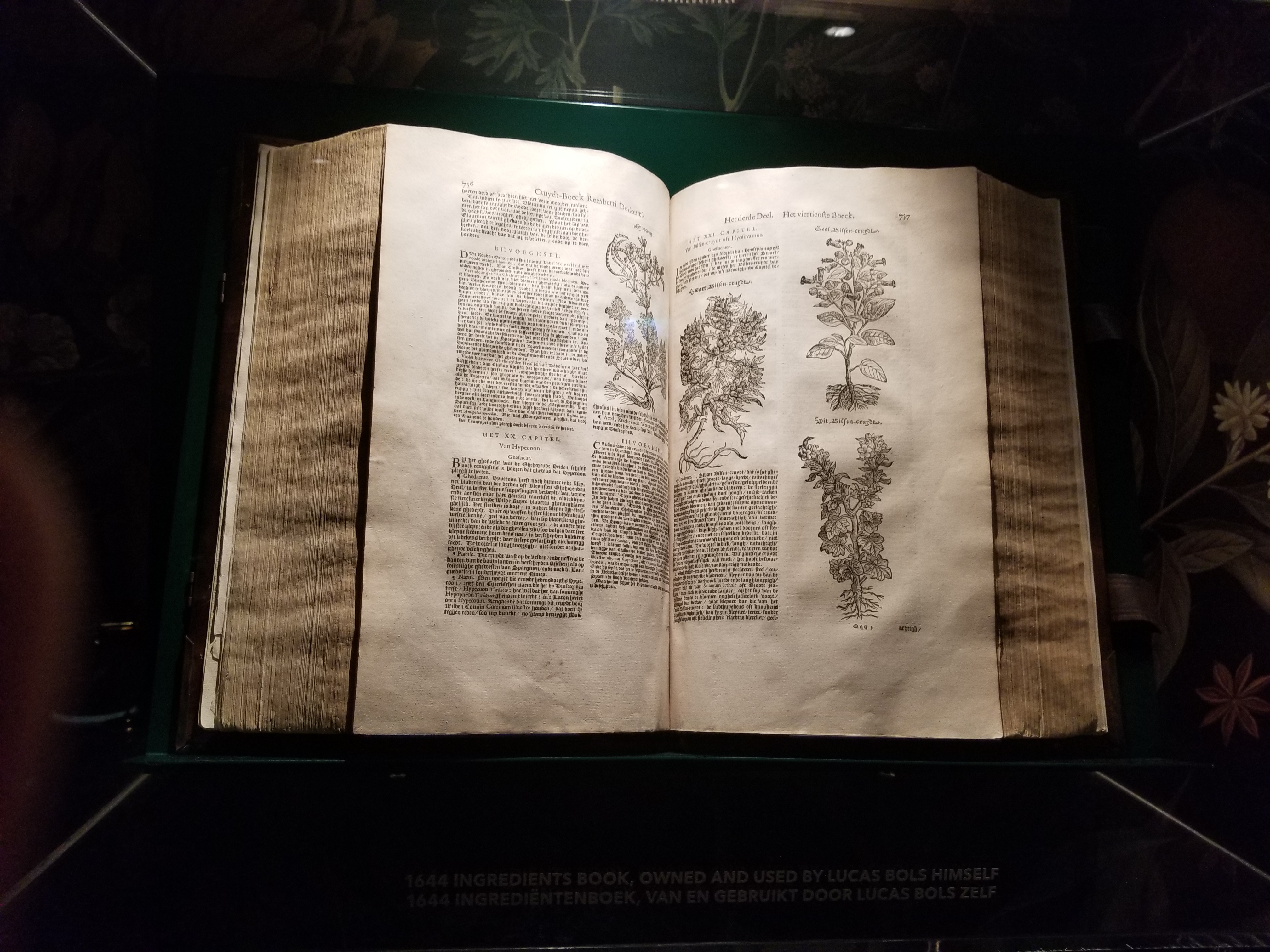
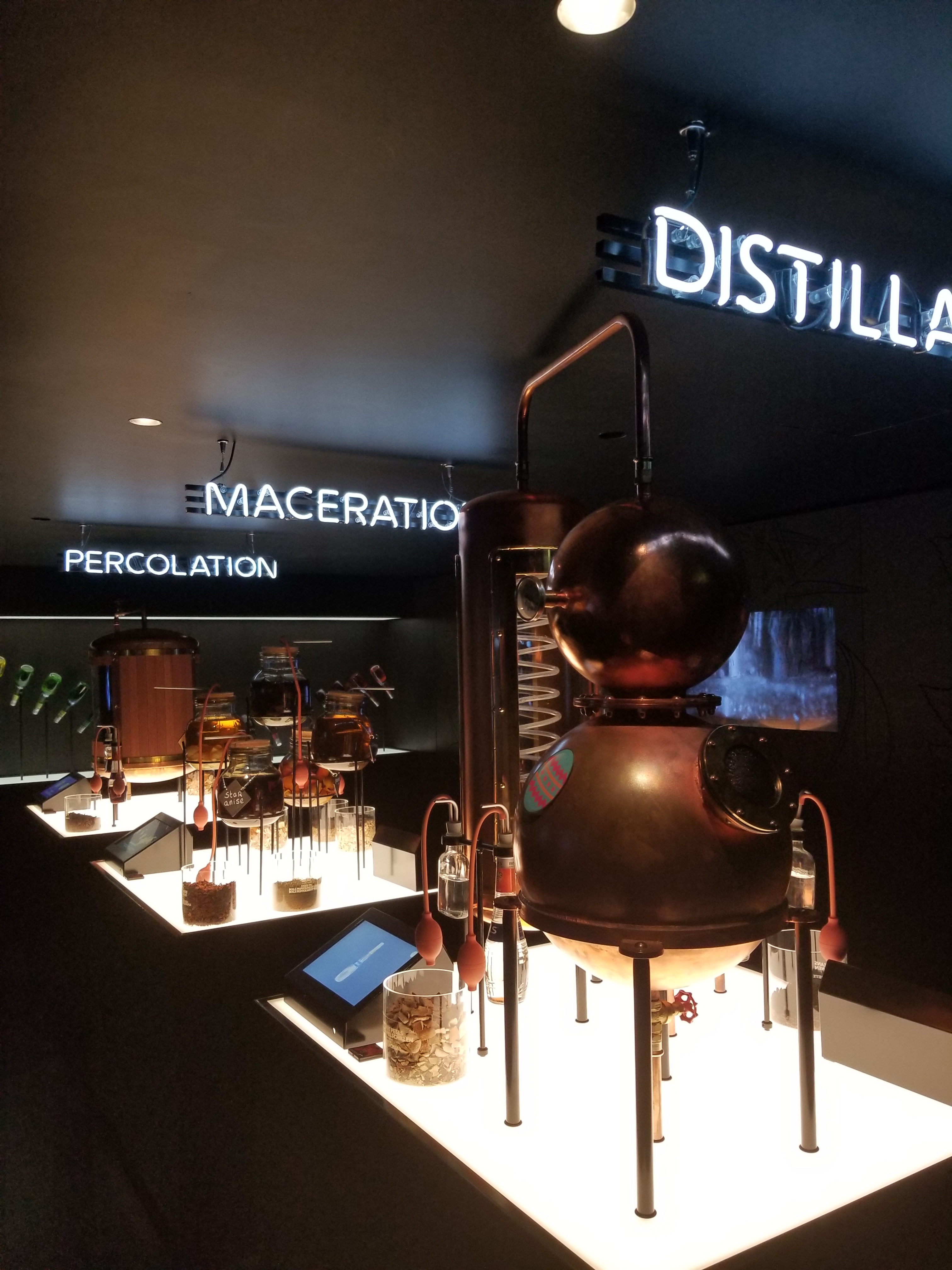
    Amsterdam has a thriving “museum district” that we visited for a day. Taking the non-traditional route of visiting the House of Bols was an exciting twist to our usual museum/archive route. The House of Bols is a family named liqueur company that specialized in the production of Jenever, or “Dutch gin” for lack of a better word (please note it is not actually “gin”). This predecessor to the gin we know today, which is usually from England, is (in my opinion) MUCH better! Lucas Bols, the grandson of the founder, was a major shareholder with the Dutch East Indian Company, and therefore had exclusive access to many of the exotic herbs and spices that were imported from around the world. This allowed him, and his product, to flourish. Today, there are over 300 liqueur and spirit recipes through the House of Bols, and we were able to try some of them! It is really important to note that there is a special way to drink Jenever from the tulip glasses with which they are served. The shape of the glass prevents you from grabbing it to take the shot – you need to sip the top part off first! It was a lot of fun learning about the history of this alcoholic beverage and to try it for ourselves!

    20180403_152139.jpg

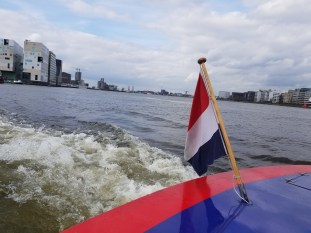
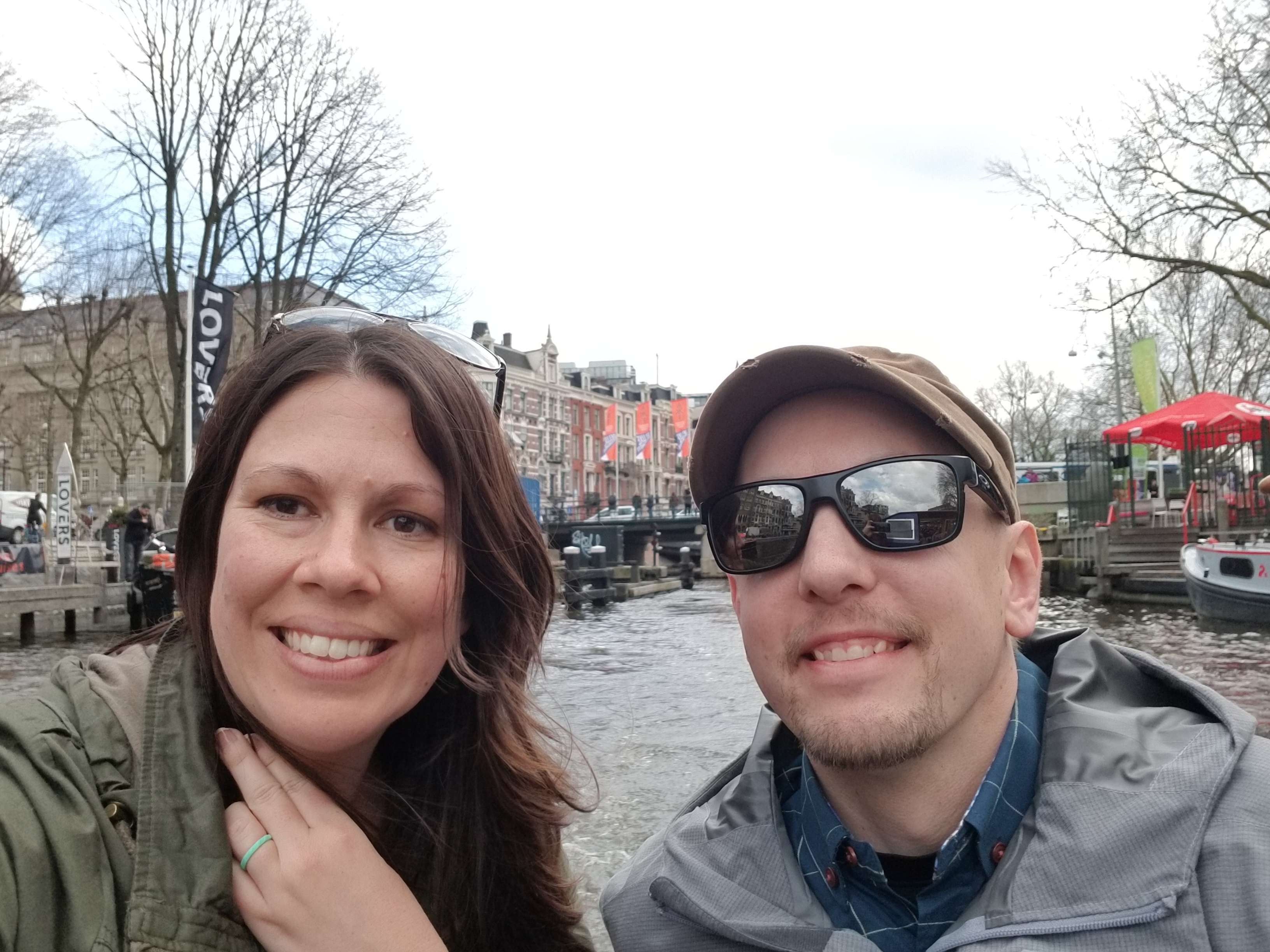
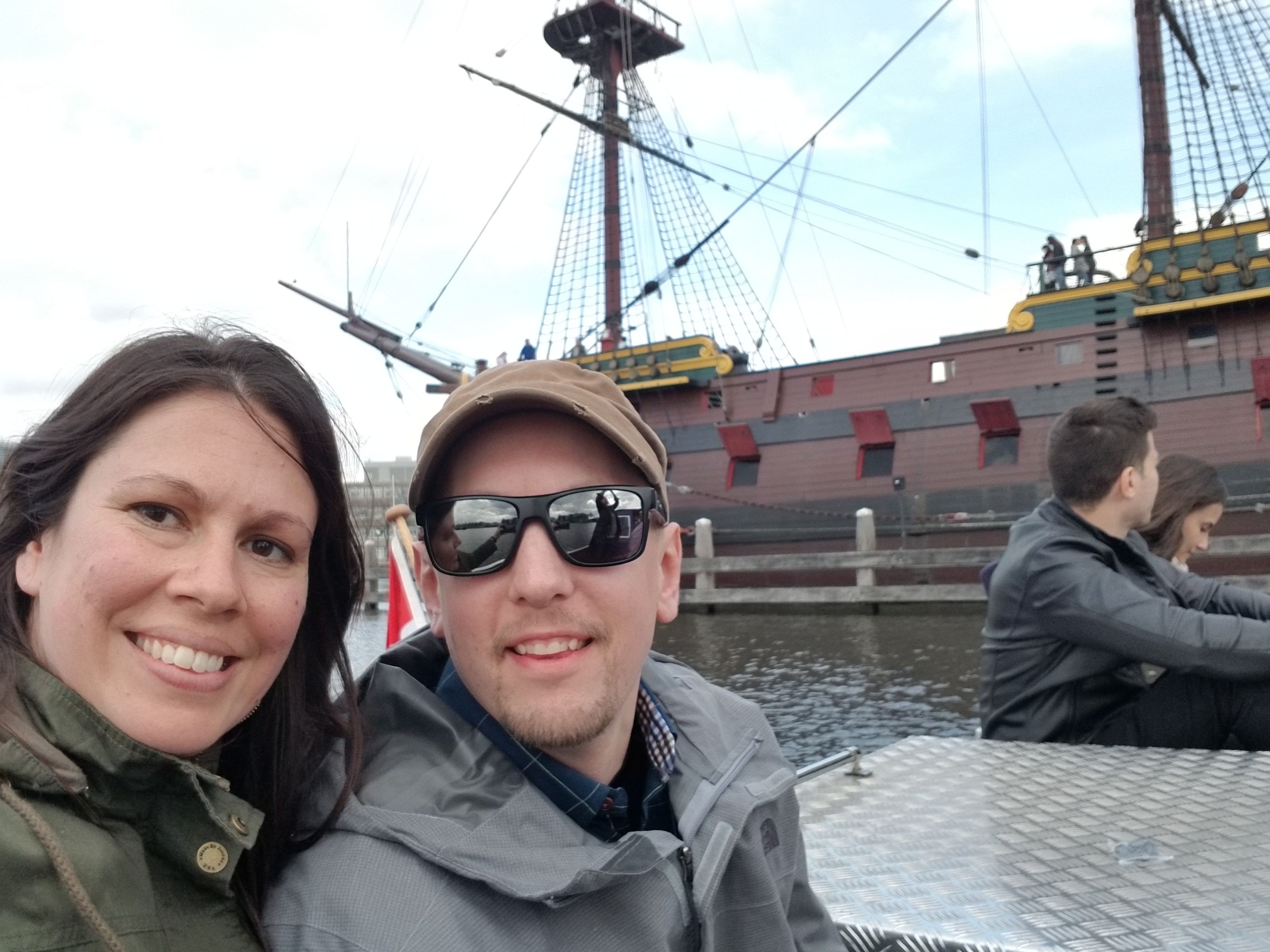
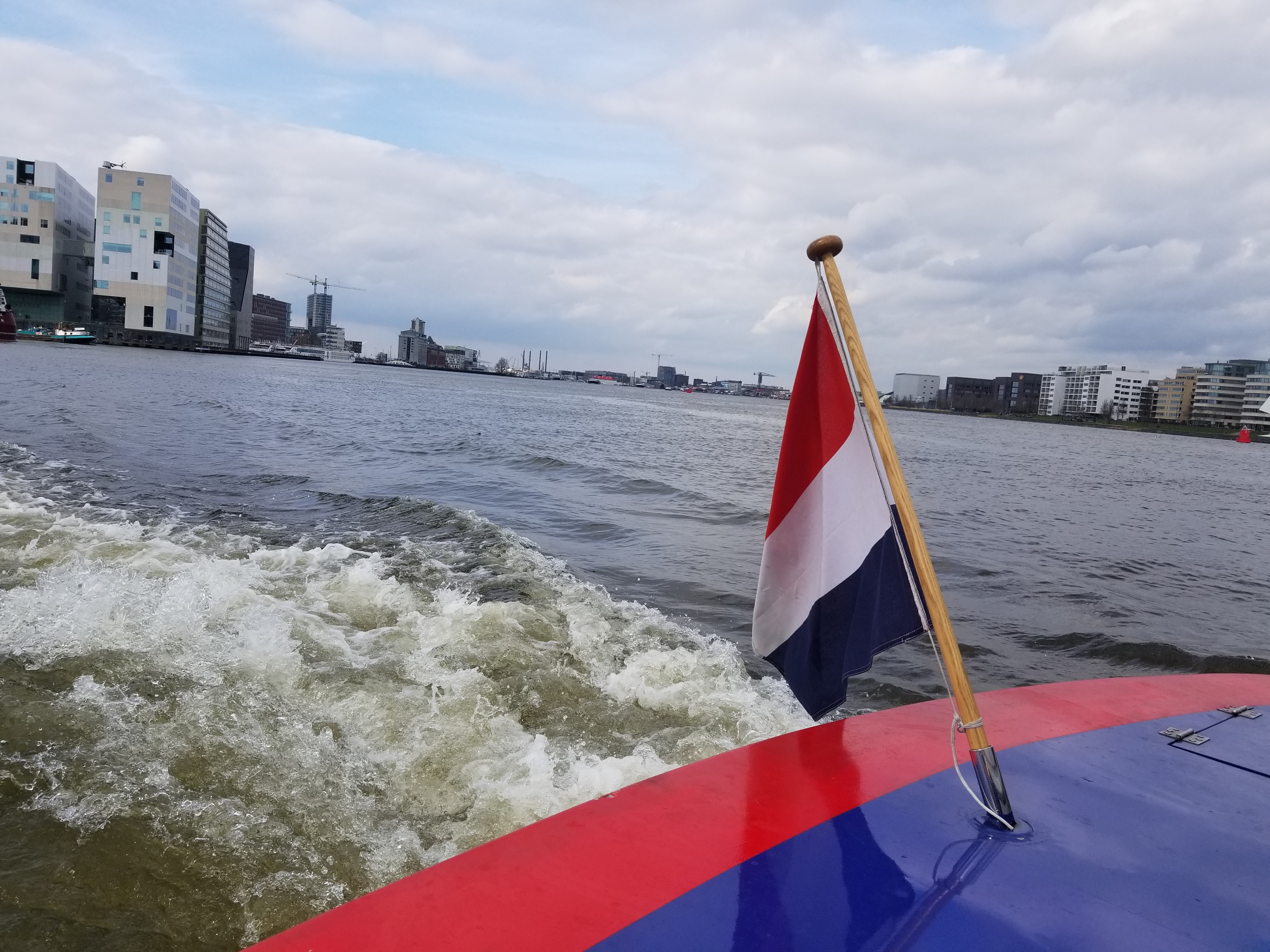
    One of my main goals when visiting Amsterdam (and subsequently, throughout the entirety of our trip) was to get out on the water as much as possible. When we visited Amsterdam eight years ago we were unable (based on the vastness of our trip and the amount of time we actually spent in one city) to get into the canals. I was determined to remedy this during our trip! Amsterdam has a diverse fleet of about 200 or more tour boats throughout the year. While the first canals were logically dug for water management and defense, today you can enjoy a pleasure tour throughout the year! I highly recommend you take time and go on a boat trip. Through the House of Bols we were able to add on an hour canal tour, and I know you can do the same with various other museums throughout the city. Learn some history, take in the sights, and travel on the canals!

    Amsterdam was a very exciting city that we were happy to visit again after so many years. Below you can view the many other photos we took during our trip. Next blog post will be about our visit with our friends around Utrecht! Until next time!