


One of the most impressive Founding Fathers home we visited was that of Thomas Jefferson. Many will agree that his home is a top destination, but what stuck me in particular was the details that Jefferson put on things that I have always felt were annoying as well! A grand staircase does take up a lot of space, and 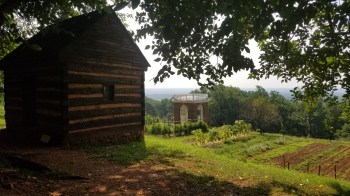 having your bed in the wall totally makes sense from a space saving point of view. I went through the house tour and definitely agree with Jefferson – some things are completely impractical in a home!
Monticello was only a few hours drive from Baltimore, and like we mentioned previously it is also recommended that you try and see Montpelier as well – but plan your visit well as there are tours that begin and end at very specific times and they get very busy fast! We ended up driving all the way out to Shenandoah National Park so that we could see it one more time before heading out to Arizona, so we planned to visit both of the houses on the same day. We just did a generic tour of Monticello but specifically did the Dolley Madison tour at Montpelier – my point is to really read the times the tours start. They are not kidding, they get full, and it’s about $20/person per tour so plan it!
I’m sure we all know a lot about Thomas Jefferson – right?! Since I am sure you do, let me tell you a little about the house itself. Jefferson inherited land from his father in 1769 and began building the house of his dreams immediately. Jefferson also created the lovely gardens at Monticello, experimenting with different types of exotic plants to see if they could thrive, and was very interested in developing vineyards. I loved going through the gardens where we were there. They had different levels and they were absolutely beautiful. Jefferson tried different varieties of many European plants to see if they could live in the land in humid Virginia – some he did manage to figure out.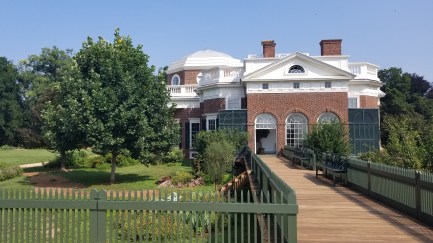
Unfortunately, Jefferson’s only surviving child had to see Monticello in 1831 while deeply in debt. Uriah Levy eventually bought the land and renovated the house to keep it in good conditions. This was continued even after he died and the property was transferred to his nephew, Jefferson Levy. The Thomas Jefferson Memorial Foundation purchased Monticello and 650 acres in 1923 for $500,000 and have been taking care of it ever since. You can really see the care and devotion they take with the landscape and the house. We did take about an hour and walk through the gardens ourselves, but you can get a tour of the gardens if you want.
Cool fact – while it would only take many 45 minutes today driving from Monticello to Montpelier, back when Jefferson and Madison were alive it would have taken about 10 hours and they would have stayed for weeks. During the house tours they would mention the “favorite” rooms of their political friends – and what it meant to have the honor of staying on the first floor instead of the second!
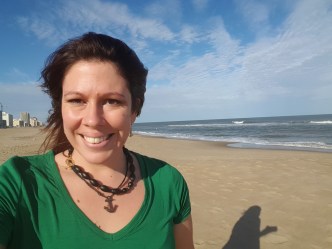 Hello bloggers! Hopefully you enjoyed my last post about the amazing exhibit at the Clinton Library! I will shift focus a bit towards a different department: Interpretation! I love the field of interpretation, and with the help of a lovely NAI (National Association for Interpretation) scholarship, I was able to fly from Little Rock to Virginia Beach for an entire week to learn, meet new people, and explore all the wonderful ways that people use interpretation across the country!
 favorites ones was my very first one: You are the Voice of Interpretation! We learned through an exercise the value and importance of what we say as interpreters to our audience, and how inspiring we can be to visitors. The monumental task of educating the public about history, culture, animals, or nature is our goal, but we need to understand how impressionable we can be in the field to others. Another fantastic session was analyzing how Digital Media can actually add to guided interpretation, and not completely take it over.
 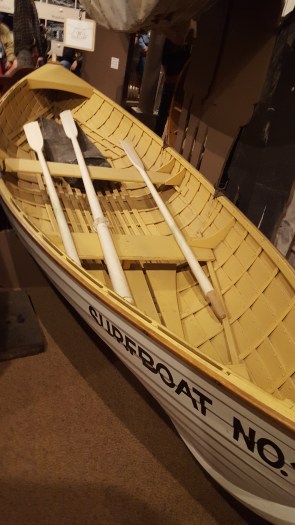 There is much fear among the museum/interpretation field that eventually standing museums or sites will become irrelevant when technology takes over. It is up to us to make sure that we remain relevant to the public, and that can be accomplished by using technology to our benefit. For example, the
  dinner at the
 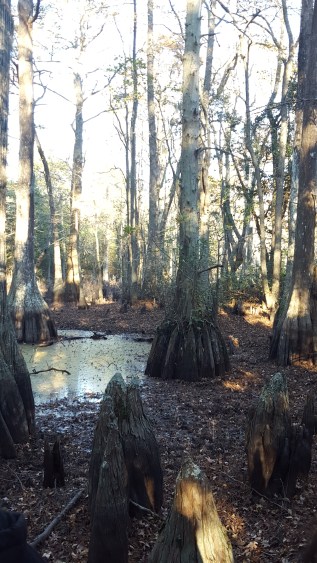 mate, Laurel. Marie focuses more on the nature aspect of interpretation, while Laurel wants to work in aquariums. Holly, another scholarship recipient, and Geoff, all introduced themselves within a short period of time, and it was fantastic to be able to talk to them about their background and experience as we navigated through our first NAI conference. I’ve been to a few conferences with friends, but this is the first time I’ve gone completely solo, and I am very happy to have walked away with new friends and memories.
 Talley Your Adventure - The Blog