Talley Your Adventure – The Blog

Adventure Awaits!

At Talley Your Adventure, we don’t just plan luxury and culturally rich travel experiences—we live and breathe them. Our blog, travelingtalleys.blog, is where we share the real stories behind our adventures: kayaking alongside glaciers in Alaska, exploring temples in Japan, chasing waterfalls in Iceland, and wandering through storybook towns in Germany. If it’s unforgettable, chances are we’ve done it—or we’re planning it next. Impact-Site-Verification: 8a69d429-4a55-4b53-b8f6-72c437661af5

Nicolette brings deep experience in travel and heritage. With a Master’s in Public History, she’s worked as a Supervisory Park Ranger, Revenue Manager, and Program Analyst across multiple national parks for over a decade. Her career has taken her from managing interpretive boat tours in Alaska’s wild backcountry to overseeing large-scale visitor service projects with million-dollar budgets. And yes—she’s also a licensed 100-Ton Inland Master Boat Captain who’s led cultural and ecological tours from riverboats to remote beaches.

Clinton’s travel roots run just as deep. He’s worked in logistics and operations for the National Park Service and was a key member of the hospitality team aboard National Geographic Lindblad Expeditions. From managing guest services on remote international voyages to coordinating facility software systems stateside, he knows what it takes to deliver seamless, high-end travel experiences—even in the most unpredictable places.

Together, we created Talley Your Adventure to bring our experience, passion, and attention to detail to your travel planning. Whether it’s a fully curated group trip or a personalized vacation built just for you, we combine expert-level service with insider know-how—so you can focus on the magic of the journey.

Want us to help you on your next adventure? Head over to www.talleyyouradventure.com!

Sakura Blooms – Inuyama, Japan

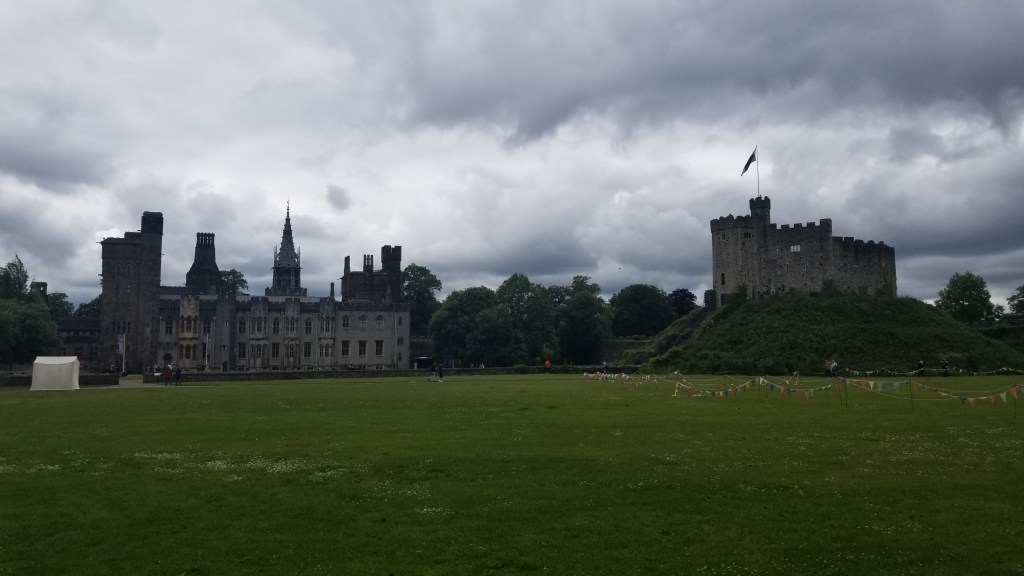
  • I’ve always wanted to visit Wales to see the Lloyd side of my family, and with the addition of Talley when I married Clinton it was basically inevitable! While Emily and I visited Cardiff Castle as a day trip to see the landscape, I did try to take an extra look for anything that may give me more information about the Talleys. While I didn’t find really anything, I did actually find a key-chain with the name! That is pretty rare!

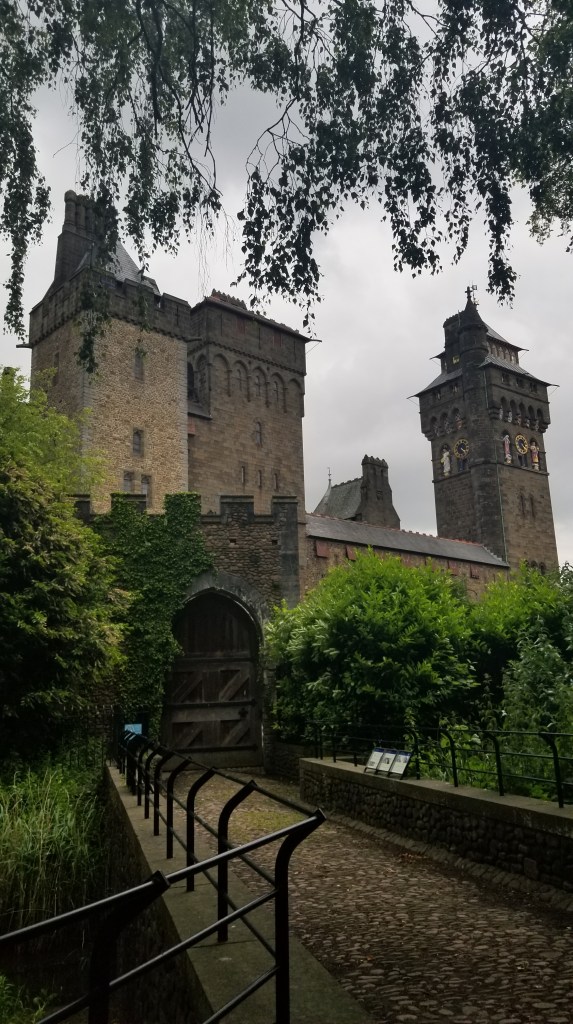
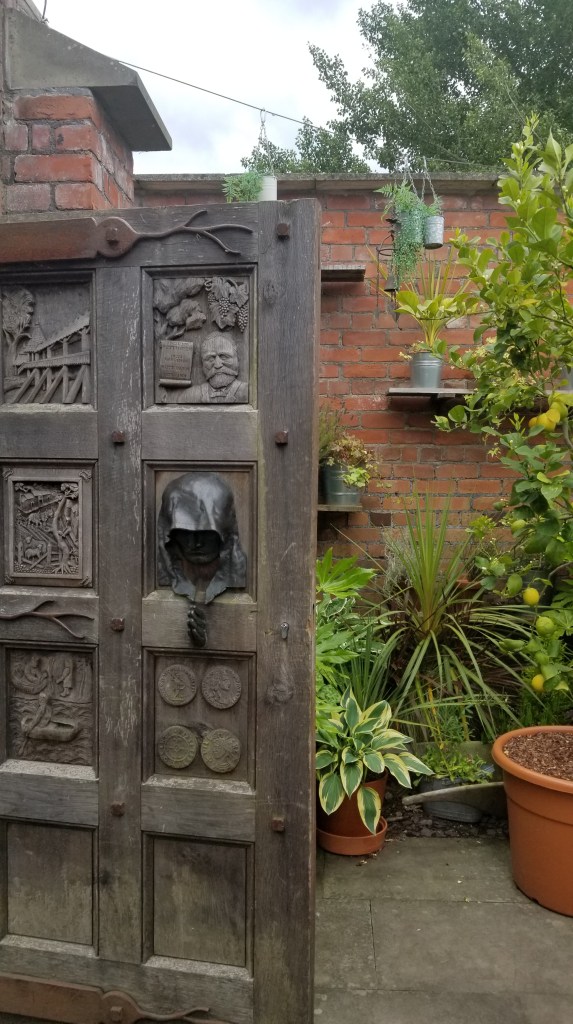
    Cardiff Castle is a medieval castle located in the city center of Cardiff, Wales. The trip from London took a little bit of navigation as we had to take a 3 hour one way bus, but it was not difficult to purchase only a few days ahead of time for pretty inexpensive. The bus station was confusing to find because London does not like to label the difference between a bus, rail, or subway (at least to the average visitor) but we managed! Exiting from the city center stop is only a short walk to Cardiff Castle and the actual city center. We looked up a few places to visit while we were in town and settled on The Alchemist, a cute restaurant not for it’s Welsh food but for its unique flare and amazing drinks. We walked around the town for a few hours before heading back to London. A highly recommend a day trip if that is the only time you have left to visit the country! The bus was extremely easy – once we found the location, finding the correct bus line was very easy and our driver was friendly. We had a nice basic seat with room for our legs to stretch and baggage to be placed above our head. The bus wasn’t full so we were able to stretch out a bit, which was nice for such a long trip back and forth. It was also nice to have someone else drive since by then we were kinda over driving around England and Scotland. Cardiff Castle does charge a fee but it is well worth the price. Of all castles I have to admit – Cardiff was one of my favorites. Not only was it open to the public to view without problems (I felt in London it was rather difficult and not easy if you didn’t play it ahead of time) but there was so much history to view I doubt we learned it all. We paid extra for a historic tour and learned a lot – another thing I recommend spending a little bit extra on!

    One of the most interesting things I learned was about the 4th Marquess of Bute, who inherited the castle early in the 20th century. The vast wealth is on display throughout the house – in one room there is paint that is actually gold! The Marquess of Bute was extremely religious, which is evident is the design of the house such as the Roof Top Garden. This area has both an open “roof” as well as a shallow step down into an area that would fill up during the wet season but still allow for meditation in a lovely garden. The bedrooms are breathtaking with their hand painted portraits and paintings, mostly of religious figures from the Bible. By the time World War II started most of the land was either commercialized or nationalized until little was left of the castle. Extensive air raid shelters were built in the walls and when you visit, you can walk through them to get a sense of what it would be like to walk around them in the modern era. When the Marquess died the castle was left to the citizens of Cardiff, who are able to enter the public land free to charge as long as they remain a resident of the city.

    We didn’t have a lot of time left over after touring Cardiff Castle, not enough at least to travel further than about a mile on foot around the immediate area. We walked through Bute Park, which was very quaint and beautiful. Surrounded by the city of Cardiff, it reminded me of Baltimore and Patterson Park. You could easily disappear into the park even though if you took a minute to think about it, there was traffic and city noises all around you. They did a great job of removing that atmosphere. We stopped at a little cafe where I got tea (I tried to order that as much as possible, and discovered I like it with milk. Who knew?). It was different than the cafes I was use to in the Netherlands and Germany but I was trying to get use to it. Instead of a variety of breads and cheeses it was mostly teas and coffees juices. Sandwiches were big, but for some reason only flavors that I knew for sure I liked I actually liked – experimenting was hard. I didn’t like the reliance on mayo or fish and chips (super disappointing, I thought it was something I’d like!) but overall I’m glad I tried all the things I did during our travels. I drank a lot of juice smoothies so I didn’t get sick since I didn’t feel like I ate a lot food with substance, and we tried to remind each other daily to eat because there didn’t seem to be much of a variety with restaurants! I digress…Bute Park was a nice, close diversion from the city and a nice walk through nature. The tea was great! 🙂

    This post ends the travels of #CuzUK but we hope you enjoyed the ride along the way! Traveling is stressful, logistically difficult at times, and complex. But it is overall enjoyable, breathtaking, and amazing…and worth it. Be smart, but don’t let simple things or the fear of travel stop you from taking the leap for adventures. I hope this blog encourages you to think outside the box and keep traveling!

  • If you’ve been keeping up, the #TravelingTalleys blog has already updated you to the adventures of #CuzUK in Sunderland, Scotland, the gardens of London, and the Tower of London. But everything in England isn’t roses! While Emily and I were in London we went to a few iconic places along with immersing ourselves in the history of Great Britain at the Imperial War Museum. Visiting London of course means visiting Big Ben, which was unfortunately under construction (leave something to come back for!) and Westminster Abbey, which we were not allowed to take pictures inside while visiting.

    Imperial War Museum

    During one of our daily marathon walks we were able to travel over Thames by various bridges, one of them being London Bridge. The history of this bridge spans many generations, including a stone-built medieval structure that lasted 600 years. The current span opened to traffic in 1973 and is built from concrete and steel. London Bridge remained the only road-crossing downstream of Kingston over Thames until 1792 when the Putney Bridge opened. Central London, where we spent some of our time, is very similar to large, metropolitan cities that have a high percentage of visitors from around the world. Commercially, London also caters to many businesses across Europe and the world. Remember, Great Britain was an incredibly spread out empire – very much so even today. Seeing the blend of modern architecture and medieval was like when Clinton and I walked through the old Roman ruins, to an extend. While the Romans are no longer in power and arguably Great Britain still rules part of the world, the structures speak of an affluent time with creative minds. I appreciated the intricate details that were molded into everyday Great Britain.

    Westminster Abbey courtyard

    Walking around the town of London also included educational trips to a museum, and one of the best museums we found during our travel was the Imperial War Museums. Actually a museum with five different branches, three of them in London. The museums were founded in 1917 to record the civil and military war efforts of Great Britain and its Empire during World War I. Today, the museum includes all conflicts that Great Britain was involved in since 1914. Included in the museum’s collection is the personal and official documents, photographs, film, and video material from various wars. It was an extremely impressive collection that included oral history recordings. As a self proclaimed “historian” of humans throughout time, a very important part of history is oral history recordings. Hearing from the person directly who lived during different time periods is always moving. The museum also includes a large art collection and many examples of military vehicles and aircraft. Entering the museum is free but donations are always encouraged!

    Winchester Palace ruins

    One of the more popular places we visited during our trip was Westminster Abbey. This beautiful Gothic abbey church is one of the most notable and famous religious places in London and is also the traditional place of coronation for the monarchy. Formally titled the Collegiate Church of Saint Peter at Westminster. SInce 1066 the Abbey has been a coronation church – or the official ceremony where a king or queen is officially crowned – since 1066 and is also the final resting place of seventeen monarchs. The present church was begun by Henry III in 1245 and still holds a medieval shrine of Anglo-Saxon saint. Today, the church is not used for coronations but is a place for tourists to visit and for those to come to throughout the day for worship. Services are daily and just the thought that over 1000 years of history is in one building always amazes me. I’ve been to many “old” buildings and love visiting churches because of this!

    Westminster Abbey does require a fee to enter and you are not allowed to take pictures, but there is a nice gift shop where you can purchase a picture book and you are given a self guided tour to peruse the Abbey on your own time. Seventeen monarchs reside within the Abbey and if you were like me to actually enjoyed your history class, it’s pretty cool when you round a corner and see a shrine to a monarch whose name your recognize. Who is not there – notably, Henry VIII. Of course not, right? 🙂 There is a section called “Poet’s Corner” where famous authors of the day were buried, including Charles Dickens. Death wasn’t the only thing celebrated in this gorgeous abbey. Wedding are also popular, including that of the Duke and Duchess of Cambridge – William and Kate. The building is absolutely beautiful and the surrounding area is pretty as well, though it is very crowded as it is part of the main city center of London. Be prepared for lines and rude visitors!

    I’ve found that even knowing the language of the locals doesn’t necessarily matter, so patience is key in many situations. Don’t let a language barrier (or in this case lack of one) give you a false sense of security. You are still in a foreign land! We tried to stop into tea shops throughout the day and tried to learn as much as we could about the local history and culture wherever we traveled. It was nice not having language as a barrier, but customs still took a little time to get use to! I loved our many adventures and walks around town each day and appreciated the help we received along the way. This isn’t the end of my blog adventures since we also visited Wales and that post will be next, but our adventures in London will end here. Thanks for keeping tuned to the travels of #CuzUK and keep here for details of Wales! Till next time!

  • Clinton and I always enjoy when we can go back to our home states and meet up with family and friends. We enjoy our time immensely when our family and friends are willing to #TalleyYourAdventure with us. We were able to travel back to Washington State where Clinton is from, but this time visit Seattle as a launching point for Olympic National Park
    Our Washintonian friend Erika is pretty cool – she’s willing to drive from (basically) Spokane to Seattle just to pick us up and drive with us to Olympic National Park. Before we left, we secured an Airbnb in Port Angeles. Since Erika provided the ride, we provided the lodging; and since we were on vacation we made sure to spoil ourselves a bit! We rented a great little house with a steam shower and dry sauna for the one night we stayed and it was absolutely worth it! Take your time searching for a location to stay. Much like any expensive city that is not the easiest to get to, there may be areas of town that aren’t the best or are overly expensive but there is always a gem to be found! It took us a few days to find this place and once it opened we jumped on it. We’ve, for the most part, had good luck with Airbnb and definitely recommend it as a means for travel or visiting an area to see if you want to move to the area.

    The first night of our trip we arrived in the afternoon, checked into the hotel in Seattle, and took to the streets. I’ve stayed in Seattle before, both for work and travel, and so has Clinton so we knew our basic way around the city. Eating salmon or clam chowder, easily finding an amazing sushi place, and excellent coffee – all staples of Seattle! We’ve been to the touristy places before such as the Space Needle, this time we were entirely focused on Olympic National Park. We had a long weekend (4 days) with two half travel days and didn’t want to miss any opportunities for adventures! Erika planned to meet us early the next day and we scheduled to be on the ferry across the Puget Sound to Bremerton so we weren’t spending most of our time in the car. It was a great trip – we love when we are on the water! Like I’ve stated before, the #TravelingTalleys are big supporters of public and alternative forms of transportation when possible. Our ferry trip was only an hour, but we were able to load the vehicle on the ferry and walk around and see downtown Seattle disappear as we headed away from the city.

    Once we arrived on the other side and disembarked via vehicle, we drove towards Olympic National Park. The park is huge – almost 1 million acres of land – and is spread out from the coastline facing Seattle on the east to the west coast facing the Pacific Ocean. Traveling from one side to the other requires more than just the 1.5 day experience we had planned so we condensed our visit to one specific coastal location and a visitor center. Our beach goal was Ruby Beach, heading down 101 from Port Angeles and taking the northerly route on the way back through 113. We visited the visitor center in Port Angeles and in Hurricane Ridge. Erika was game for driving instead of trying to do hikes (April wasn’t the warmest time to visit Washington, even if Olympic is part rain forest!) which is a recommended way of visiting the park if you don’t have a lot of time or come off season and the weather doesn’t cooperate as much.

    Olympic National Park actually has four different regions: the Pacific coastline, alpine area, temperate rain forest, and the drier forests on the east side. The park also hosts three distinct ecosystems: sub-alpine forest, temperate forest, and the Pacific coast. Don’t forget the wildflower meadow! While we were too early for a wildflower display the changes in the ecosystems was evident even with just a drive from Port Angeles to Ruby Beach. It is a long drive though, so if you don’t want to travel there and back in a day make sure to try and find lodging closer to Ruby Beach, such as Forks, so that you can stay the night closer to that area and make your way back the next day. Olympic National Park was originally designated Mount Olympus National Monument by President Theodore Roosevelt in 1938 and in 1988 Congress designated 95% of the park as the Olympic Wilderness. This is evident immediately when viewing a map because a visitor can’t really drive right up to the mountains like in many other parks, but there are many opportunities to hike.While we were visiting our destination was the sandy beach of Ruby Beach. Different than the beaches I was use to growing up in Florida, Ruby Beach had rougher, rockier sand and large outcroppings of rock structures to play on while the tide came in. Thick groves of trees were adjacent to the sand, which made walking to the beach even more fun since it was through part of the forest. There is massive amounts of driftwood on the beaches and in the surf, so be careful, but definitely take the time to get out of the car and view the beauty of the Pacific Ocean! It was cold but that didn’t stop us from climbing on the solid looking driftwood and the rocks near the surf while we watched the tide come in slowly. 

    While we didn’t have the time to visit the mountains, that didn’t mean we didn’t try to stop whenever we could for a photo op or just to view. The Olympic Mountains include the 7,965 ft Mount Olympus, the greatest glaciation mountain of any non-volcanic peak in the contiguous United States (outside the North Cascades). Several glaciers dot the Olympic Mountains including the Hoh Glacier, which is over 3 miles in length. We also didn’t have the time for a hike through the temperate rainforest, but we did drive through part of it and enjoy the view as much as possible. With an annual precipitation of 150 inches and including the Hoh Rainforest and Quinault Rainforest, this area is one of the wettest areas in the continental United States. Beautiful SItka Spruce, Western Hemlock, and Coast Douglas-fir surround most of your drive to Ruby Beach. Between the sights and smells, the trip was absolutely a perfect reunion with Erika!

    On our way back to Seattle we were able to reconnect with part of Clinton’s family, including his Uncle and Aunt (hello if you are reading!). Friends, family, and a new national park? What a great trip for the #TravelingTalleys! Even if you only have four or five days a quick trip to another region of the world is doable for any type of traveler. Just do your research, make sensible decisions rooted in reality, and ALWAYS tell someone your game plan. We had so much fun visiting Washington and hope this post encourages you to #GetOutdoors and #FindYourPark, wherever you live!