At Talley Your Adventure, we don’t just plan luxury and culturally rich travel experiences—we live and breathe them. Our blog, travelingtalleys.blog, is where we share the real stories behind our adventures: kayaking alongside glaciers in Alaska, exploring temples in Japan, chasing waterfalls in Iceland, and wandering through storybook towns in Germany. If it’s unforgettable, chances are we’ve done it—or we’re planning it next.
Nicolette brings deep experience in travel and heritage. With a Master’s in Public History, she’s worked as a Supervisory Park Ranger, Revenue Manager, and Program Analyst across multiple national parks for over a decade. Her career has taken her from managing interpretive boat tours in Alaska’s wild backcountry to overseeing large-scale visitor service projects with million-dollar budgets. And yes—she’s also a licensed 100-Ton Inland Master Boat Captain who’s led cultural and ecological tours from riverboats to remote beaches.
Clinton’s travel roots run just as deep. He’s worked in logistics and operations for the National Park Service and was a key member of the hospitality team aboard National Geographic Lindblad Expeditions. From managing guest services on remote international voyages to coordinating facility software systems stateside, he knows what it takes to deliver seamless, high-end travel experiences—even in the most unpredictable places.
Together, we created Talley Your Adventure to bring our experience, passion, and attention to detail to your travel planning. Whether it’s a fully curated group trip or a personalized vacation built just for you, we combine expert-level service with insider know-how—so you can focus on the magic of the journey.
Want us to help you on your next adventure? Head over to www.talleyyouradventure.com!
— Talley Your Adventure – Dream Vacations (@TTalleys) July 14, 2025
Talley Your Adventure has over 25 years of travel experience – we've been to over 30 countries, all 50 states, and four continents. We know our stuff! Contact us today before scheduling your next travel adventure. #adventuretravel#travel#dreamvacationspic.twitter.com/wMJOvO1sle
— Talley Your Adventure – Dream Vacations (@TTalleys) July 25, 2025
Hello Bloggers! Its that time again – the end of another semester!
I have had a wonderful time at the Clinton Library this semester, and want to thank Chris, Kit, Joseph, Stephen and Jennifer for allowing me to post a few pictures online, as well as tell my story for the world to read. Also, for their support and for the great educational experiences I learned this semester. I am part of their re-inventory process, and I help catalog new collections, which can include transfers from the Archives or the personal collection of former President William Clinton. I have learned how to preserve certain precious objects, such as the chair Hillary Clinton sat in when she was Secretary of State, and I also have helped them move around objects in order to find a “forever home”. I went up to the Archives and help them process collections, which only enhanced my experiences from the UALR CAHC when I was an archives graduate assistant. I was even able to take part in the exhibit change that happened this year! And, I’m happy to announce, President Clinton did shake my hand at the Holiday Party – what a great semester! Thank you all!
In another wave of exciting news, I found out that the proposal Allison Hiblong, Stephanie Sims and I sent in for the Arkansas Museum Association was accepted! We are officially going to present at the AMA conference in Helena next year! Whoo!
As I start my break, I still can’t help but get excited for next semester and the new experiences I know that I will learn along the way. Until next time, be safe, and Happy Holidays!
Hello bloggers! I hope that your Thanksgiving was full of food and fun! I’m back from vacation and at it again in inventory world at the Clinton Library.
Today, I deviated from the traditional inventory to start cataloging a collection that was recently transferred to us from the archives. Sometimes, as the archivists are processing a collection, they come upon items or artifacts. Normally, the archivists deal only with paper or documents. When they stumble upon these items, they determine if it is worth saving, and from there they contact us in the museum side of the library. This way, we can keep the collection and possibly display it in a future exhibit, without throwing away something that may be of value. I was cataloging some of these items.
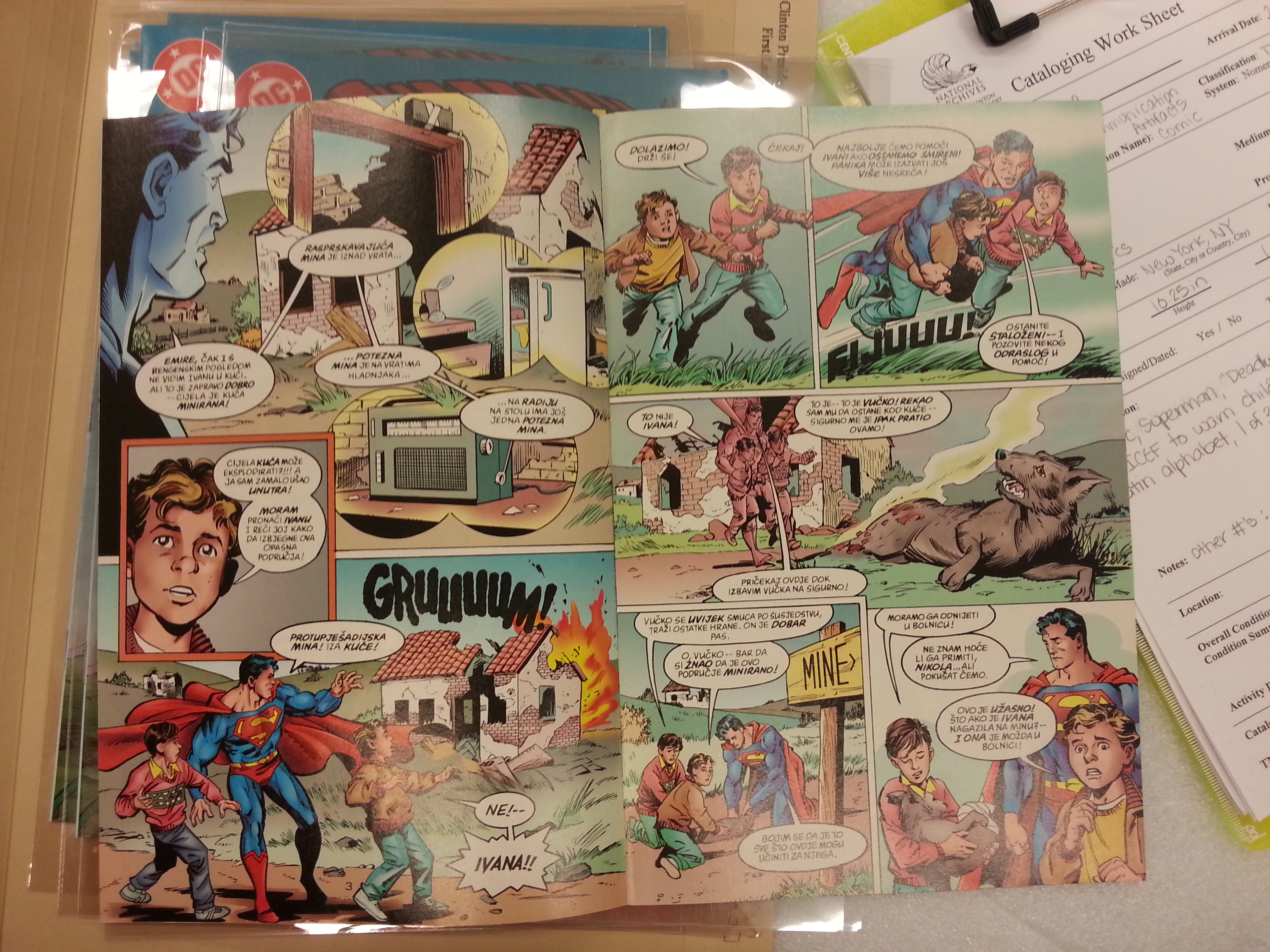
The one I found most interesting were these Superman comic books from the mid 1990s that are written in either the Latin alphabet or the Cyrillic alphabet. They were distributed in the Serbo-Croatian area to teach children to avoid landmine zones. How crazy is this? We in the United States have absolutely NO concept of a landmine zone, unless we have personally traveled outside the US to visit one. It is amazing to think that these harmful objects can be lying in an open field where children could play, and ultimately kill themselves. I find these comics fascinating. I can’t read the language, but I get the gist of the comic. Superman saves not only children, but the dog as well, and carefully explains the dangers of the landmine zones. Astonishing! Its gems likes this that make museum life so interesting!
Tonight the the Clinton Foundation’s Holiday Party. Stephanie and I are ready to rock and hopefully meet former President Bill Clinton himself! Until next time!
Last update I left you with my essay from the SEMC Annual Meeting in Knoxville, TN. I turned in that essay, and hopefully it will be published in the SEMC newsletter that should be coming out in the near future. I’ll keep you updated!
George H.W. Bush
On a different note, I wanted to push your attention towards something I’ve been doing for the past 6 months, but you may not be as familiar with unless I actually mention it. I am a regular blogger for the Arkansas Inland Maritime Museum, where USS Razorback is currently docked on the North Little Rock side of the Arkansas river. I am a tour guide there, and one additional thing that I like to do is explore the history of the maritime industry through their “This Day in History” blog that they do weekly. Last month alone I did two blogs, one on the 150th anniversary of the sinking of CSS Albemarle and one on the first transit of a US Navy ship through the Panama Canal. Its a wonderful way to add to my tours, or to answer any additional questions. For instance, Razorback is named after a whale…the same whale that USS Finback is named after. Why is Finback important? Well, this is the submarine that picked up former President George H.W. Bush after his plane was shot down during a mission. Since I was the one to write about Finback, I now can add this to anyone curious about additional information on the naming of vessels, or about the lifeguard missions that submarines were sent on during World War II to rescue pilots from their downed planes. I encourage you to check out the blog, not only for my articles, but for the other people who contribute to the blog as well. Its a great way to learn more about nautical history!
Buddy!
Moving back to NARA and the Clinton Library, I have to say that the semester is slowly winding down to an end and I can’t believe that its almost over! Next week is Thanksgiving! After that, only two more weeks left of my GA. We’ve completed our fiscal year of 2014, and are starting the inventory process for the next year. A bunch of the same old stuff, but this time we are switching out the exhibits in order to clean our the cases and put new items out on display. Most of it is pretty much the same thing, since we have a lot of the same stuff, but all in all its a great way of learning how to restructure an entire exhibit. Everything is being changed, not just the items. For instance, the fabric that had been stapled around the walls of the exhibit needed to be replaced…much harder work than it sounds! I did find this really amazing “sculpture” of Buddy!
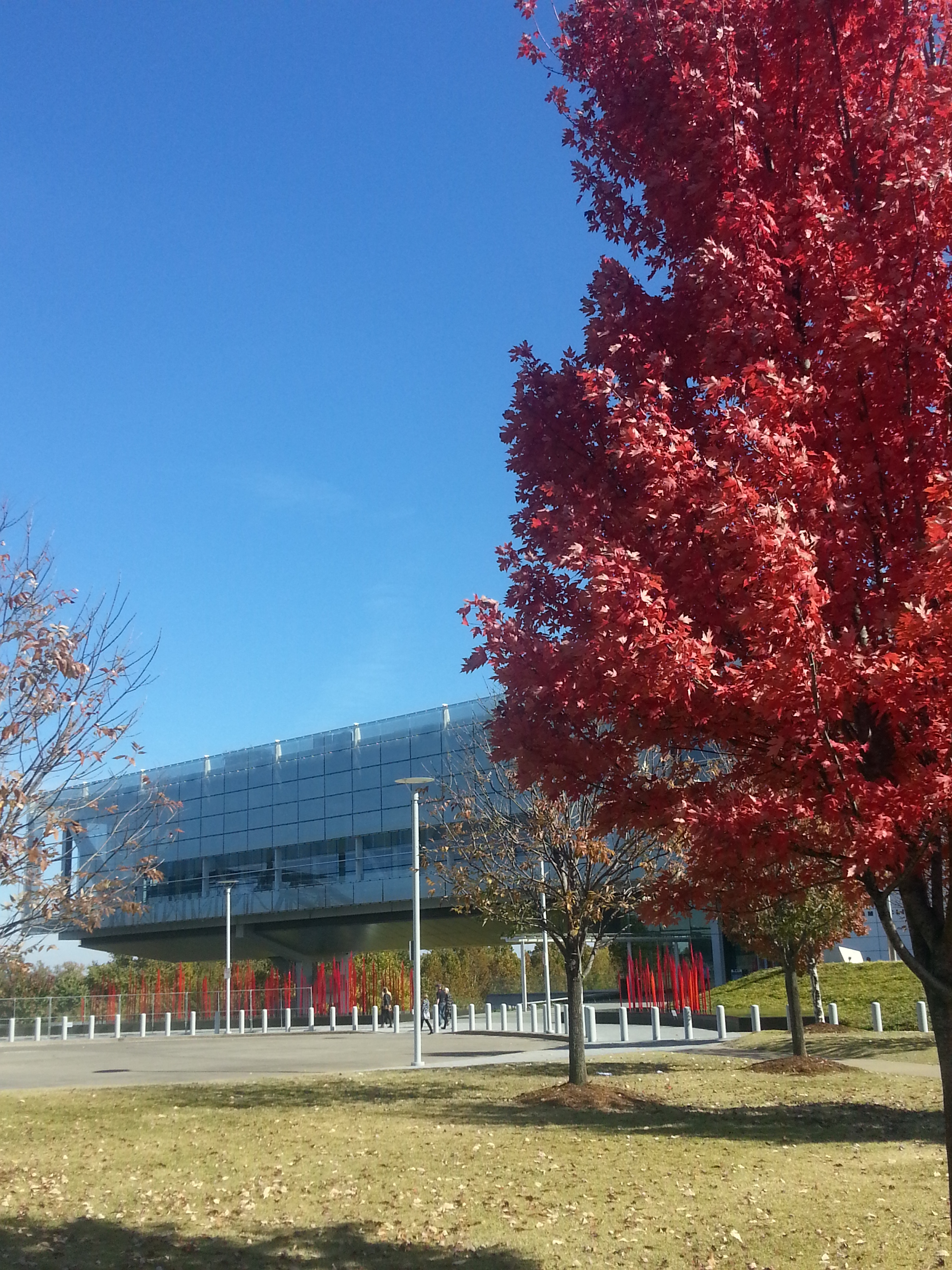
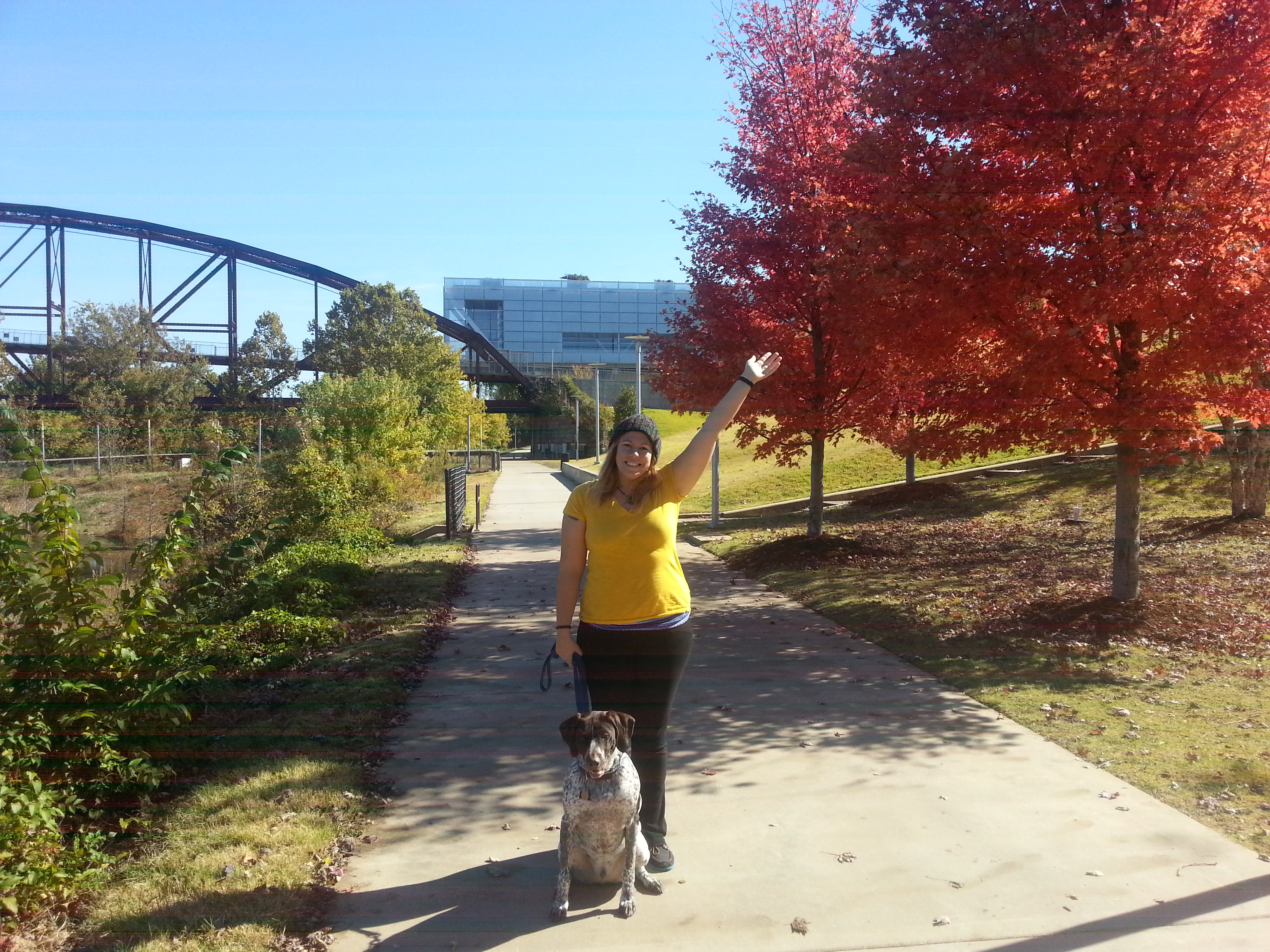
Lastly, I wanted to thank everyone for sticking with me this semester as I transitioned from the archive to the museum. Its been a wonderful journey, and I could not have done it without the amazing people around me! I’ll save the shout-outs for my last blog post this semester, but it has been a great year at the Clinton library. Its also been a relatively difficult semester. My three classes, (Introduction to Public History, Historical Methods, and Digital Archives of the 21st Century) were not to be taken lightly. Working fulltime as well really just means I need to have great time management! I have enjoyed being the Vice-President/Co-President of Phi Alpha Theta, as well as a member of the Graduate Student Council as the Public History Representative. All in all, its been a busy, (stressful!), but fun semester. Now that winter has started to creep in, I leave you with some lovely fall pictures I took as I brought my fiance, Clinton, and our dog, Kyzer, around the Clinton library property one day.


 Hello Bloggers! Its that time again – the end of another semester!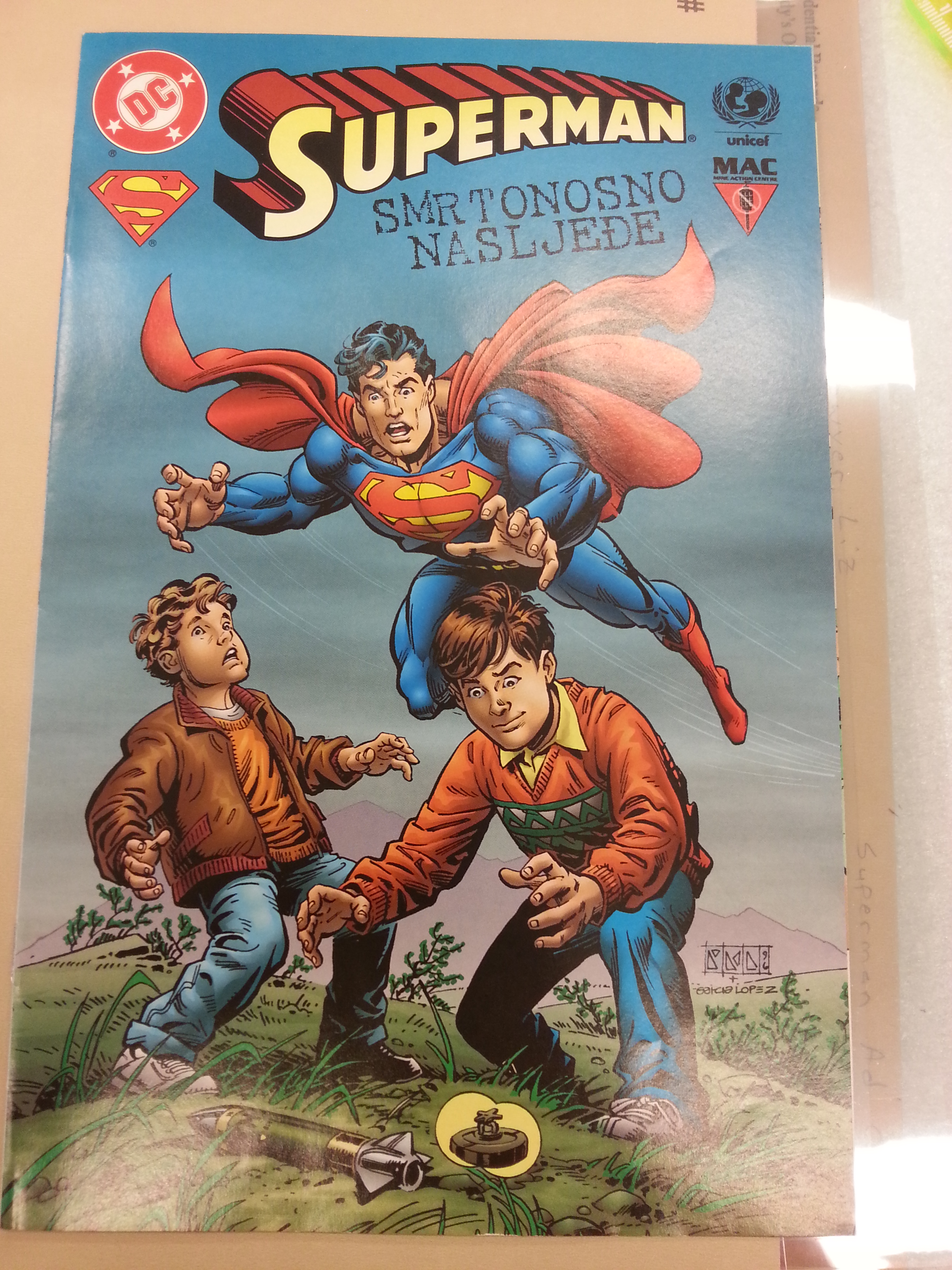


 Talley Your Adventure - The Blog