At Talley Your Adventure, we don’t just plan luxury and culturally rich travel experiences—we live and breathe them. Our blog, travelingtalleys.blog, is where we share the real stories behind our adventures: kayaking alongside glaciers in Alaska, exploring temples in Japan, chasing waterfalls in Iceland, and wandering through storybook towns in Germany. If it’s unforgettable, chances are we’ve done it—or we’re planning it next.
Nicolette brings deep experience in travel and heritage. With a Master’s in Public History, she’s worked as a Supervisory Park Ranger, Revenue Manager, and Program Analyst across multiple national parks for over a decade. Her career has taken her from managing interpretive boat tours in Alaska’s wild backcountry to overseeing large-scale visitor service projects with million-dollar budgets. And yes—she’s also a licensed 100-Ton Inland Master Boat Captain who’s led cultural and ecological tours from riverboats to remote beaches.
Clinton’s travel roots run just as deep. He’s worked in logistics and operations for the National Park Service and was a key member of the hospitality team aboard National Geographic Lindblad Expeditions. From managing guest services on remote international voyages to coordinating facility software systems stateside, he knows what it takes to deliver seamless, high-end travel experiences—even in the most unpredictable places.
Together, we created Talley Your Adventure to bring our experience, passion, and attention to detail to your travel planning. Whether it’s a fully curated group trip or a personalized vacation built just for you, we combine expert-level service with insider know-how—so you can focus on the magic of the journey.
Want us to help you on your next adventure? Head over to www.talleyyouradventure.com!
— Talley Your Adventure – Dream Vacations (@TTalleys) July 14, 2025
Talley Your Adventure has over 25 years of travel experience – we've been to over 30 countries, all 50 states, and four continents. We know our stuff! Contact us today before scheduling your next travel adventure. #adventuretravel#travel#dreamvacationspic.twitter.com/wMJOvO1sle
— Talley Your Adventure – Dream Vacations (@TTalleys) July 25, 2025
Moving
to Page Arizona has been
sensational so far. It really is a small town, and living where I do
in suburbia reminds me of growing up in Winter Park, Florida. Except
instead of the beach there are tons of sandstone. It’s fantastic! We
knew that we were truly fortunate to have the opportunity to live in
an area that was close to so many of our favorite public lands.
Generally, Page Arizona is about two hours away from a variety of
scenery – from mountains to deserts to forests.
The
city itself was founded in 1957 as a housing community for the Glen
Canyon Dam. This land was obtained in a land exchange with Navajo
Nation. The city is located on top of Manson Mesa at 4,300 feet and
600 feet above Lake Powell. It is considered the gateway to Glen
Canyon National Recreationa Area and Lake Powell. Though the city’s
year round population is less than 3,000, the city amasses more than
three million each year because of the popularity of the surrounding
landscape. Not to mention the fact that as the center point for the
Grand
Circle, Page is within a quick days drive to many other National
Parks and public lands.
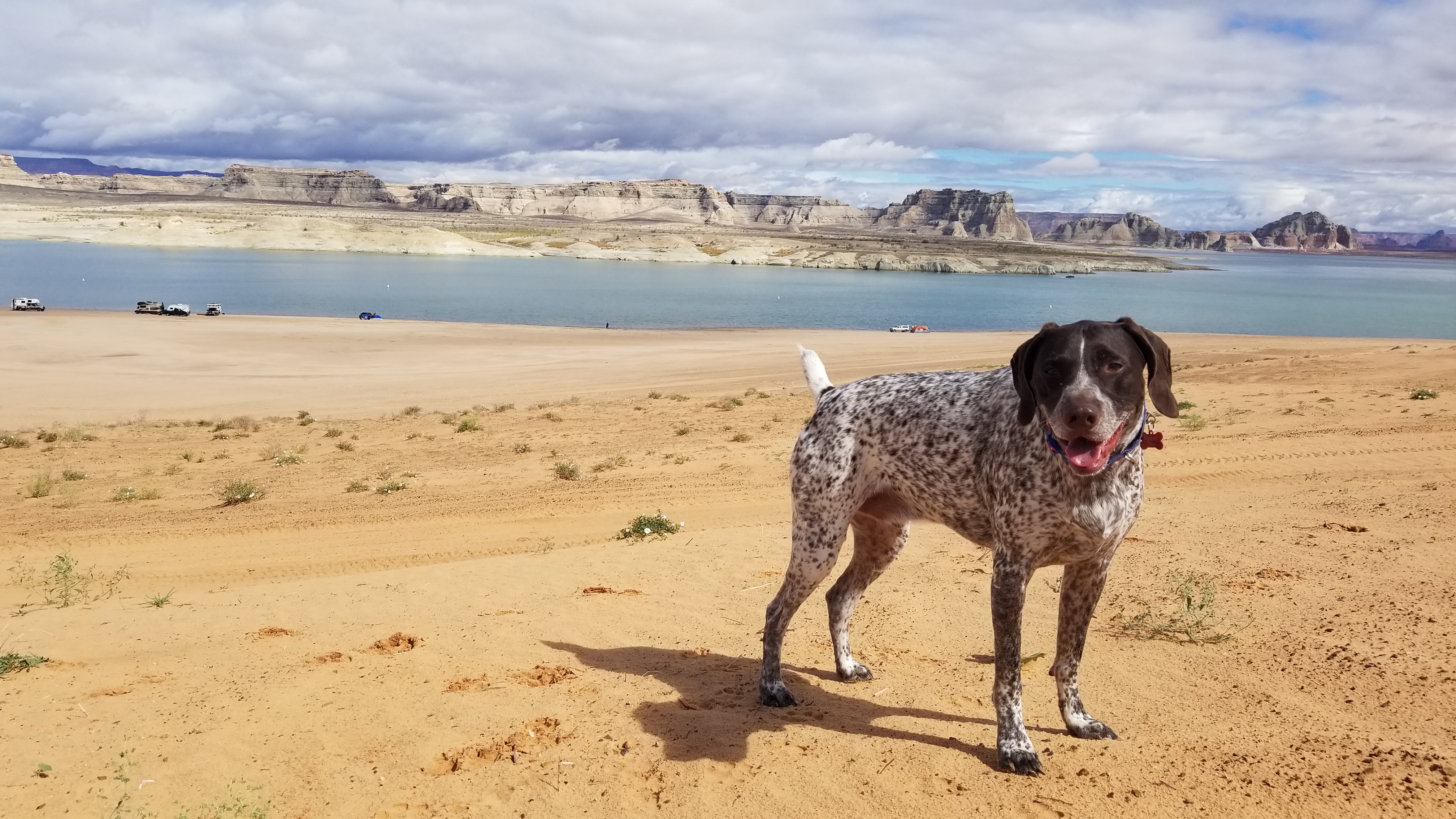
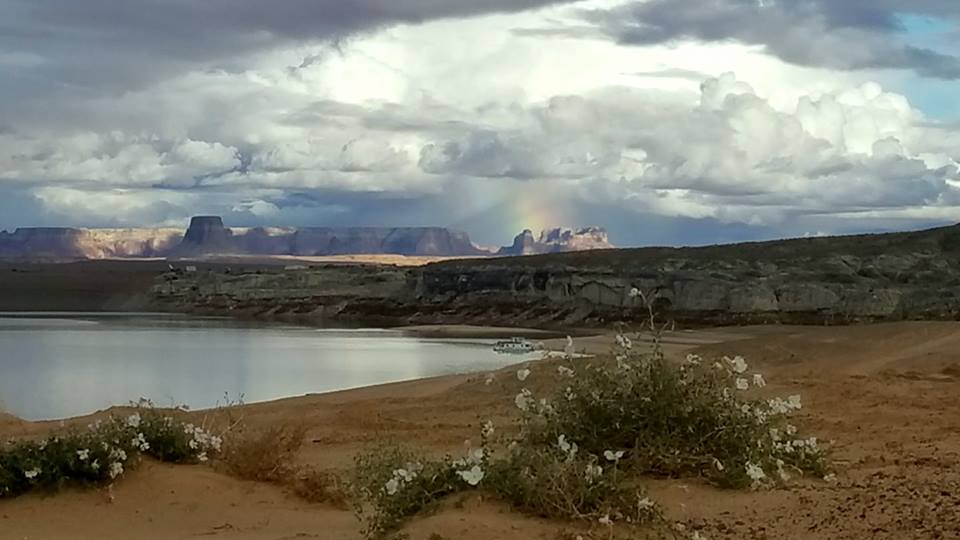
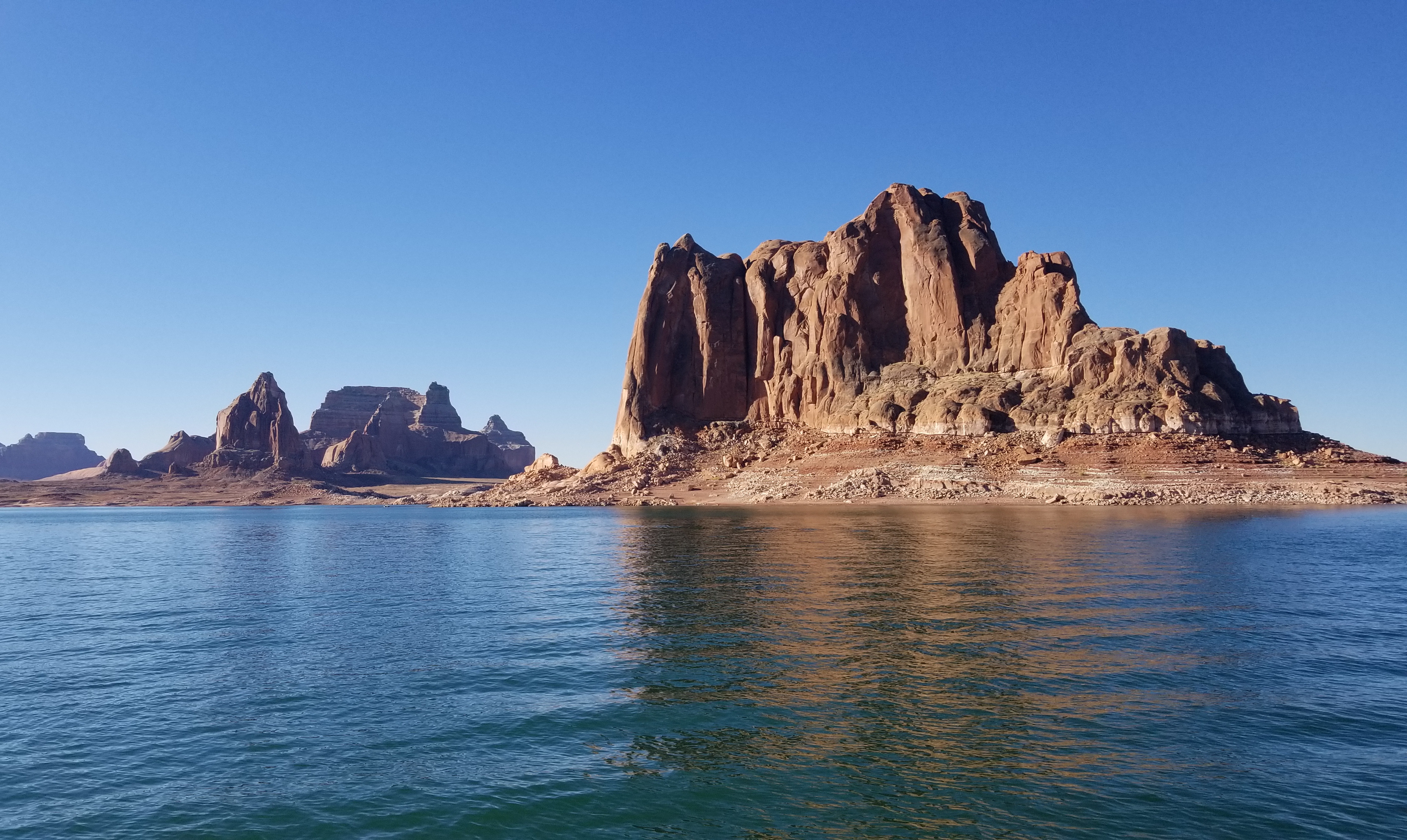
We’ve only been here for a few months but we already really like the ease of getting around and how quiet it is! The area close by hosts many opportunities to hike and climb on the sandstone. Only a 15 minute drive brings you to Lone Rock – an access site to Lake Powell with a large beach. We love the area because the dogs can explore and we can climb around on the rocks for fun. Drive out further and you can attempt to make it out to Warm Creek. We never get far in our Honda Accord but we do try and hike out as far as we can once we reach a good car stopping point!
The sunsets here are amazing! Driving out to any one of the multiple viewpoints in the park is a good place to pull over and watch the sun set. Make sure you stick around and watch the stars come out – though it is worth noting that many of the stars that you image seeing don’t come out until later in the evening. Making another trip out a few hours after sunset is definitely worth it! Seeing the stars in remote areas is remarkable. If you do end up heading to Page make sure to read the weather and traffic report. There aren’t a lot of ways to get in and out of Page so make sure you know if there is construction ahead or possible closures. Be smart and pack for long stretches of time without a gas station or convenience store. Even if you don’t have an itinerary there are so many great things you can do on the spur of the moment, no one will be bored. 🙂
If
you decide to come out west remember that there are many other types
of parks out there other than the larger National Parks. Get out and
explore the surrounding area and don’t be afraid to go down the path
less traveled. If that means take a few hours out of your day for a
scenic path, do it! This is a beautiful country – go and see it for
yourself!
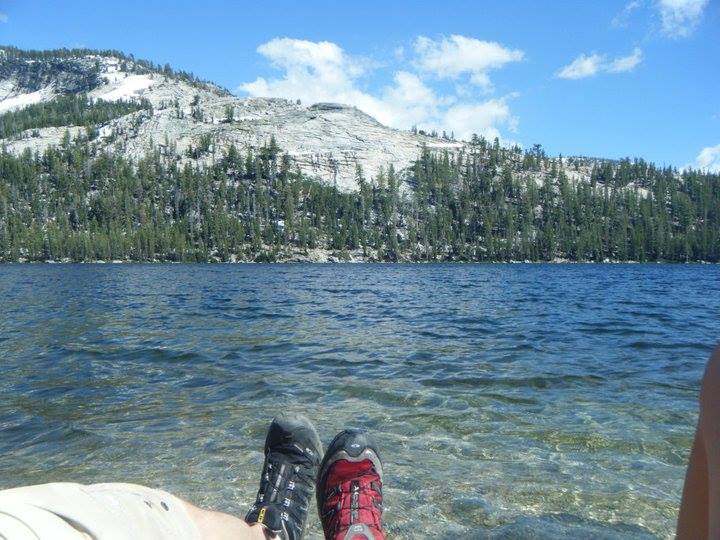
Growing up in Florida on the sandy beaches only led to the early life assumption that I could spend the rest of my life barefoot. Stark realization hit me fast when I moved out of the state and realized my foolproof plan was unrealistic. From then on I’ve been attempting to make the best decisions I can daily about my footwear. I can’t say I always succeed, but I try!
It
is so important for you to take the time to realize what type of shoe
you want to wear when you #GetOutdoors. When we spent a summer in
Utah (2010) and would climb around on the sandstone I discovered that
I did not necessarily love the rugged Solomans that I owned. Around
that time “toe shoes” were starting to make an appearance. I
bought a pair and I LOVE THEM. They bend around the toes exactly like
I want when I am using a small rock crevice as a leverage point.
Clinton would disagree. He enjoys using the Solomans and prefers
shoes that do not separate at the toes. We definitely don’t have to
agree!
I
lived in Spokane Washington back in 2012. It was my first true
winter. I had never lived in a town over the winter to that point in
my life, and it was eye opening. I learned what type of footwear was
important when out playing in the snow. I also learned that slippers
and socks were important or you would have really cold feet! When I
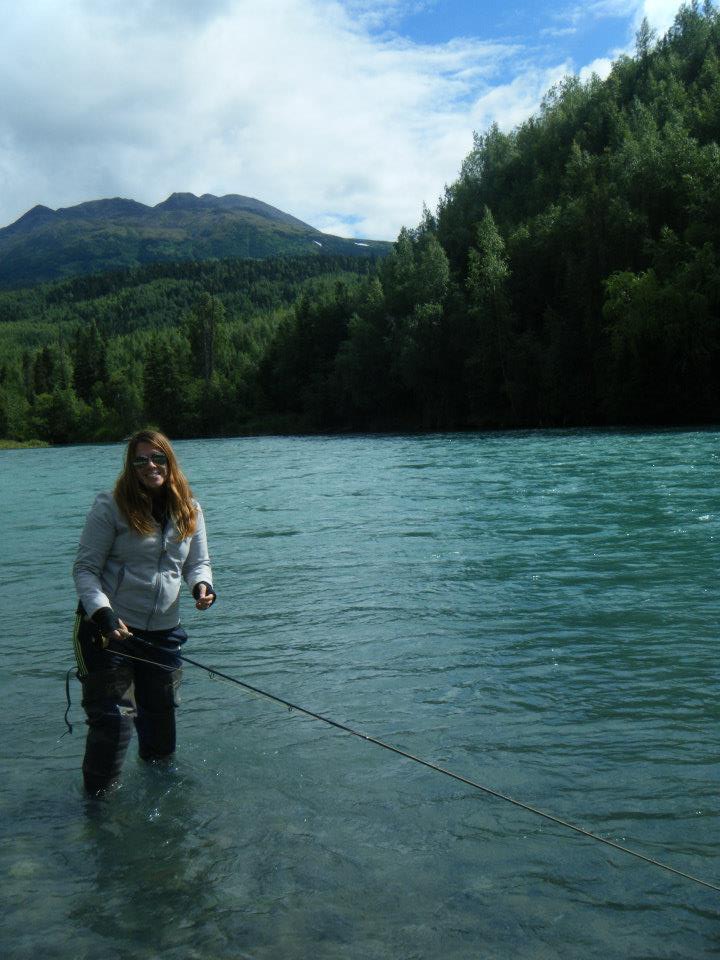
was working in Alaska I knew I needed waterproof boots like XtraTufs
or thigh high water proof waders for getting and and out of the boat
in high, glacier cold water. I know this sounds crazy, but the main
point is take your time and think about your footwear! Be realistic –
what other body part goes through so much wear and tear on a daily
basis? Take care of your feet and be smart when gearing up for a
hike, walk, or run.
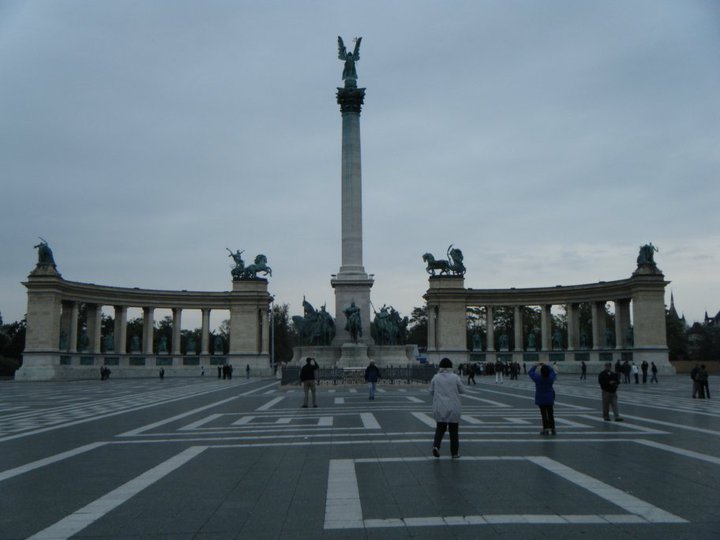
When I started working on Lindblad Expeditions my goal was to quickly save up enough money to visit Europe. Budapest, Hungary was #1 on my list. Part of my family is Hungarian and as an avid lifelong lover of history Hungary is not to be missed. I met Clinton while working on the ship and we decided our first true test of love should be traveling through Europe. I had plans for a two week bus tour that brought us to Budapest for a few days through the tourist places such as the Heros Square, the Parliament Building, and the Castle District. Our plans included this tour and another two months backpacking around Europe. We loved Hungary and Budapest so much that we went back three additional times once we started traveling solo!
Budapest is a city and a county and the official capital of Hungary. The Danube River cuts right through the city. On one side is Buda, the other Pest – both connected through a series of gorgeous bridges. Buda and Pest merged on November 17, 1873 and are today the political, administrative, industrial, and commercial center of Hungary. Like many countries with borders surrounded by neighbors in constant conflict Hungary changed hands many times over her history but the pride and cultural identity of “Hungarian” is very prominent when walking around the city. Flags flutter in the wind and the lack of heavily influenced western themes while walking around the city made our visit even more magnificent.
During our bus trip we did go to a few dinners that included traditional dancing, food, and drinks. It was worth the time and money and definitely a great way to really immerse yourself in the culture of Hungary that you many not get without going to a museum. Walking and sitting around the city gives you a different experience. Hungarian is not like any other language that many westerners are use to. It is beautiful but not Latin based. The written language looks similar but is completely unreadable to most unless you’ve studied the language. The food is different and amazing but not like what you’ve had back in the States. What I’m trying to say is that to truly get a sense of how great it is in Budapest take some time to just sit and watch. You’ll appreciate everything even more. Take a chance and try something new and get out of your comfort zone for a little bit!
When Clinton and I first visited Budapest we had signed up for a two week trip that started and ended in Germany. The bus tour brought us to many out of the way small historical towns and museums that heavily emphasized cultural and historical locations that gave any visitor a beautiful introduction to the country. Some were more touristy than others, but it was a good way to introduce myself to Europe as a first time traveler overseas. Clinton had traveled years beforehand – not necessarily to Hungary – but just in general. If you feel like you need to slowly absorb a new travel destination do it. Don’t be the person too afraid to leave your hotel room and don’t be the one who is ready to leave the hotel room but doesn’t want to really be in the country! Our first visit was an introduction to the area and our tour guide brought us to many of the best locations around town.
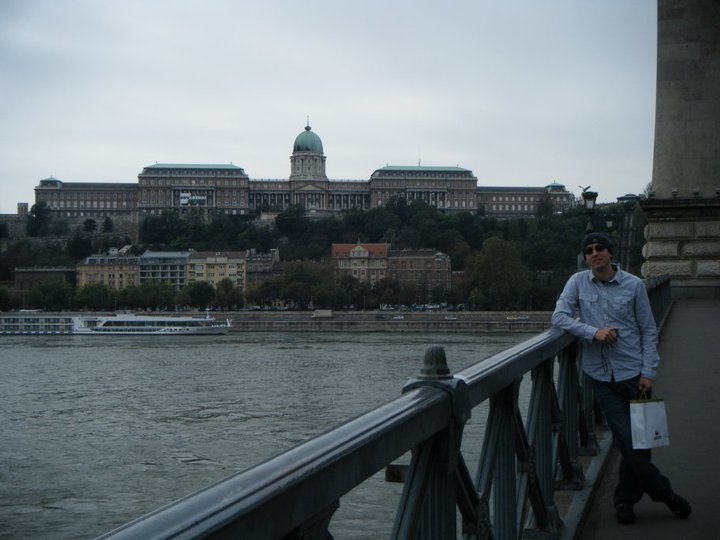
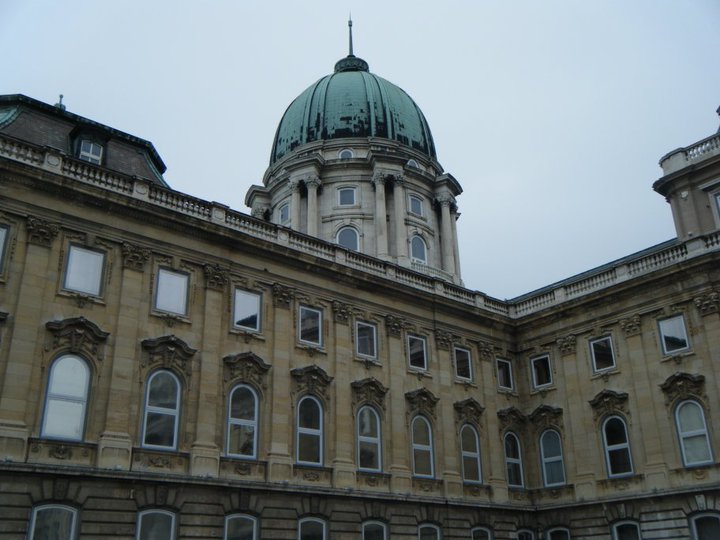
Castle
Hill is one of the highlights of Budapest on the Buda side of the
city. It was recognized as a UNESCO World Heritage site in 1987 and
is home to the beautiful Buda Castle. Constructed in the 13th
century, the surrounding Castle District hosts cobblestone streets
and a medieval atmosphere that entertains while teaching visitors
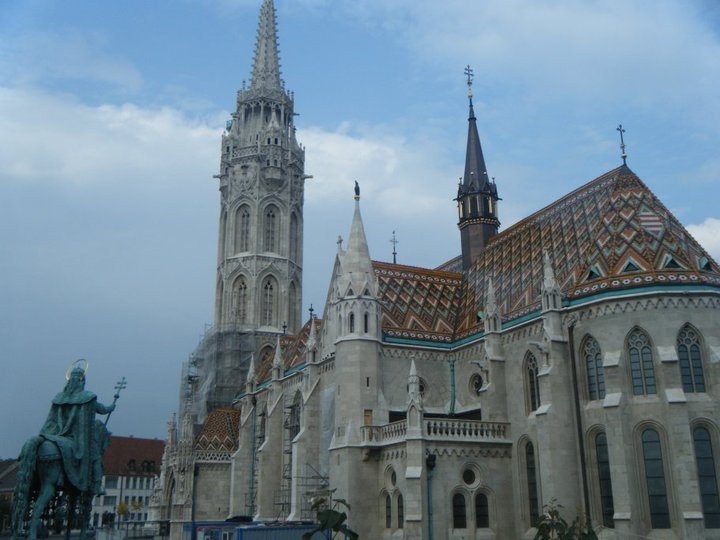
Budapest’s unique and wonderful history. Matthias Church, also built
in the 13th century, was the city’s first parish church.
During the 1541 Ottoman occupation the building was transformed into
a mosque until the Turks were expelled over a hundred years later.
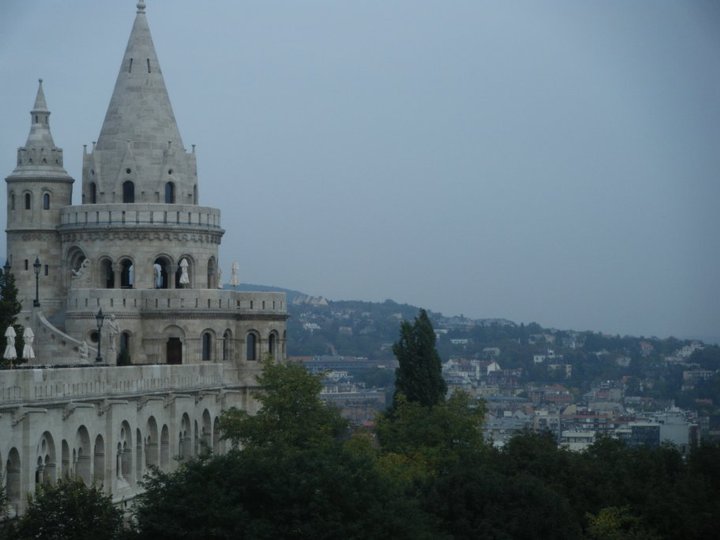
The amazing architecture will take your breath away. Fisherman’s
Bastion is right in the same area and for about $3 you can walk up
the terrace to a beautiful view of the city and the Danube River.
You’ll have to time your view since the upper terrace is not open 24
hours.
Getting
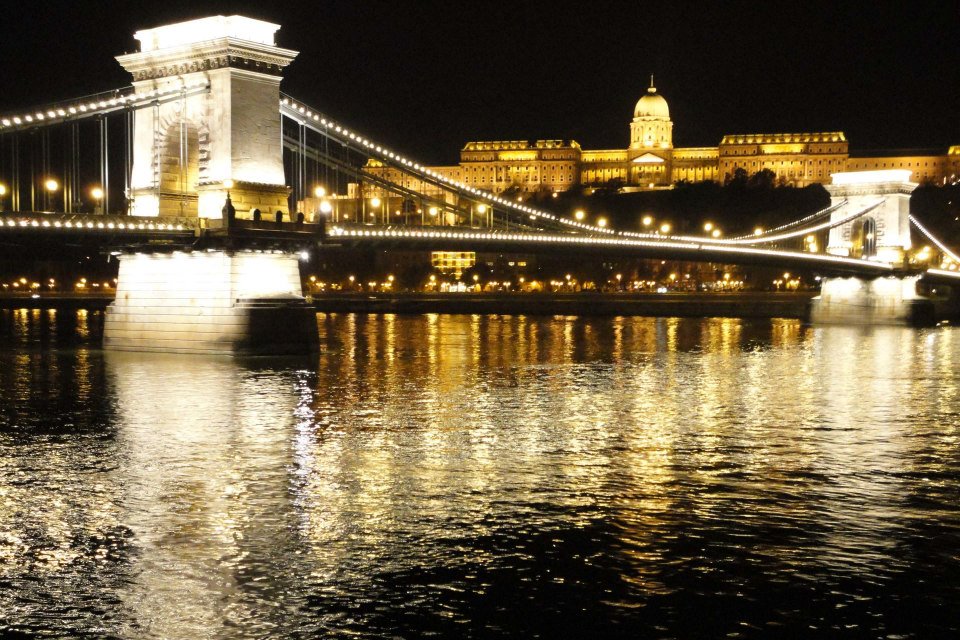
to the Castle District is easy as the castle will light up in a
spectacular fashion at night, and is so large you can’t possibly miss
it during the day. Walk across the Széchenyi
Chain Bridge, which brings you right to the Castle District. The
bridge was originally built in the 1800s by William Tierney Clark,
but it was mostly destroyed during World War II. The original pillars
and stone lions, though badly damaged, were reconstructed in the late
1940s and today it is a marvelous bridge to walk across at any time
of day or night.
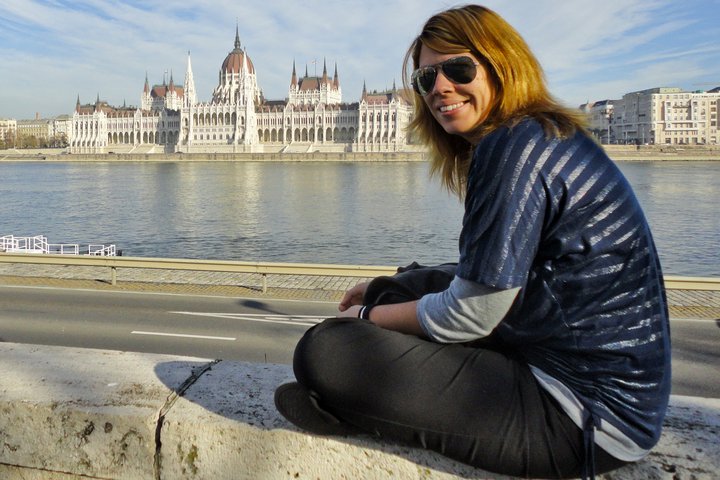
On
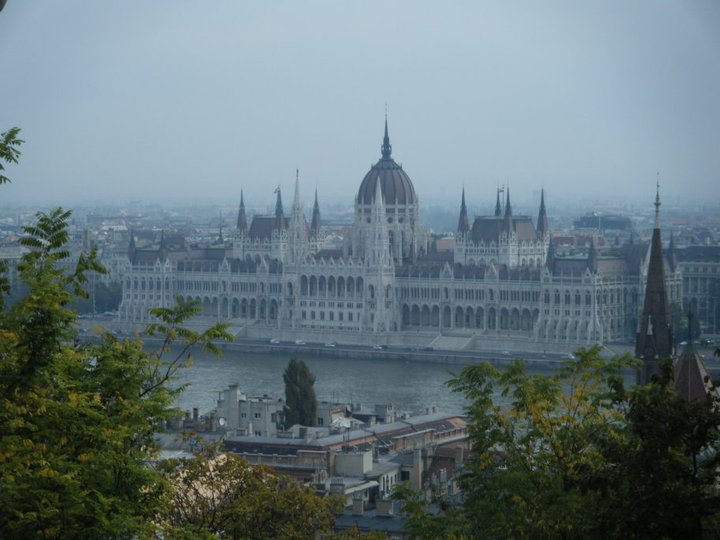
the Pest side of the city the Hungarian Parliament rises out of the
ground like a Gothic temple. It is amazingly stunning to stare at
before realizing the historic significance. The Hungarian National
Assembly meets in the building and is a wonderful symbol of the
country’s independence and commitment to democracy. Continue walking
around the town to see the architecture continue, even in the stylist
Four Seasons Hotel and the InterContinental Budapest. Clinton and I
ate at least twice at a wonderful pizza parlor that we randomly found
while walking around the city as well as tasting traditional food
like pierogi’s. I cannot rave enough about how amazing the food is in
this country! No matter what you get you will enjoy it. When I
traveled overseas at this time I was a vegetarian and Hungary gave me
no problems. Traditional pierogi’s are made with potatoes, onions and
cabbage – yum!
We
were able to take our time around the city when we first visited and
took enough notes to get back once we decided to backpack on our own.
Budapest was a very easy city to navigate and since it is
considerably affordable it was well worth as a stop over whenever we
could get there. Hotels were easy to find and most had a wonderful
sell served breakfast that included bread, cheese, spreads, and
meats. Much better than the continental breakfasts you get at a hotel
in the US! The trains are not as fast as some of the western trains
but they are reliable. We never felt unsafe while traveling – and I
always look up what’s going on through the State Department! We
without a doubt recommend Hungary and plan to go back whenever we
can! Budapest was not the only place that we went during our travel
through Hungary, so stayed tune to another post about this wonderful
country! Until next time!


 Talley Your Adventure - The Blog