Talley Your Adventure – The Blog

Adventure Awaits!

At Talley Your Adventure, we don’t just plan luxury and culturally rich travel experiences—we live and breathe them. Our blog, travelingtalleys.blog, is where we share the real stories behind our adventures: kayaking alongside glaciers in Alaska, exploring temples in Japan, chasing waterfalls in Iceland, and wandering through storybook towns in Germany. If it’s unforgettable, chances are we’ve done it—or we’re planning it next. Impact-Site-Verification: 8a69d429-4a55-4b53-b8f6-72c437661af5

Nicolette brings deep experience in travel and heritage. With a Master’s in Public History, she’s worked as a Supervisory Park Ranger, Revenue Manager, and Program Analyst across multiple national parks for over a decade. Her career has taken her from managing interpretive boat tours in Alaska’s wild backcountry to overseeing large-scale visitor service projects with million-dollar budgets. And yes—she’s also a licensed 100-Ton Inland Master Boat Captain who’s led cultural and ecological tours from riverboats to remote beaches.

Clinton’s travel roots run just as deep. He’s worked in logistics and operations for the National Park Service and was a key member of the hospitality team aboard National Geographic Lindblad Expeditions. From managing guest services on remote international voyages to coordinating facility software systems stateside, he knows what it takes to deliver seamless, high-end travel experiences—even in the most unpredictable places.

Together, we created Talley Your Adventure to bring our experience, passion, and attention to detail to your travel planning. Whether it’s a fully curated group trip or a personalized vacation built just for you, we combine expert-level service with insider know-how—so you can focus on the magic of the journey.

Want us to help you on your next adventure? Head over to www.talleyyouradventure.com!

Sakura Blooms – Inuyama, Japan

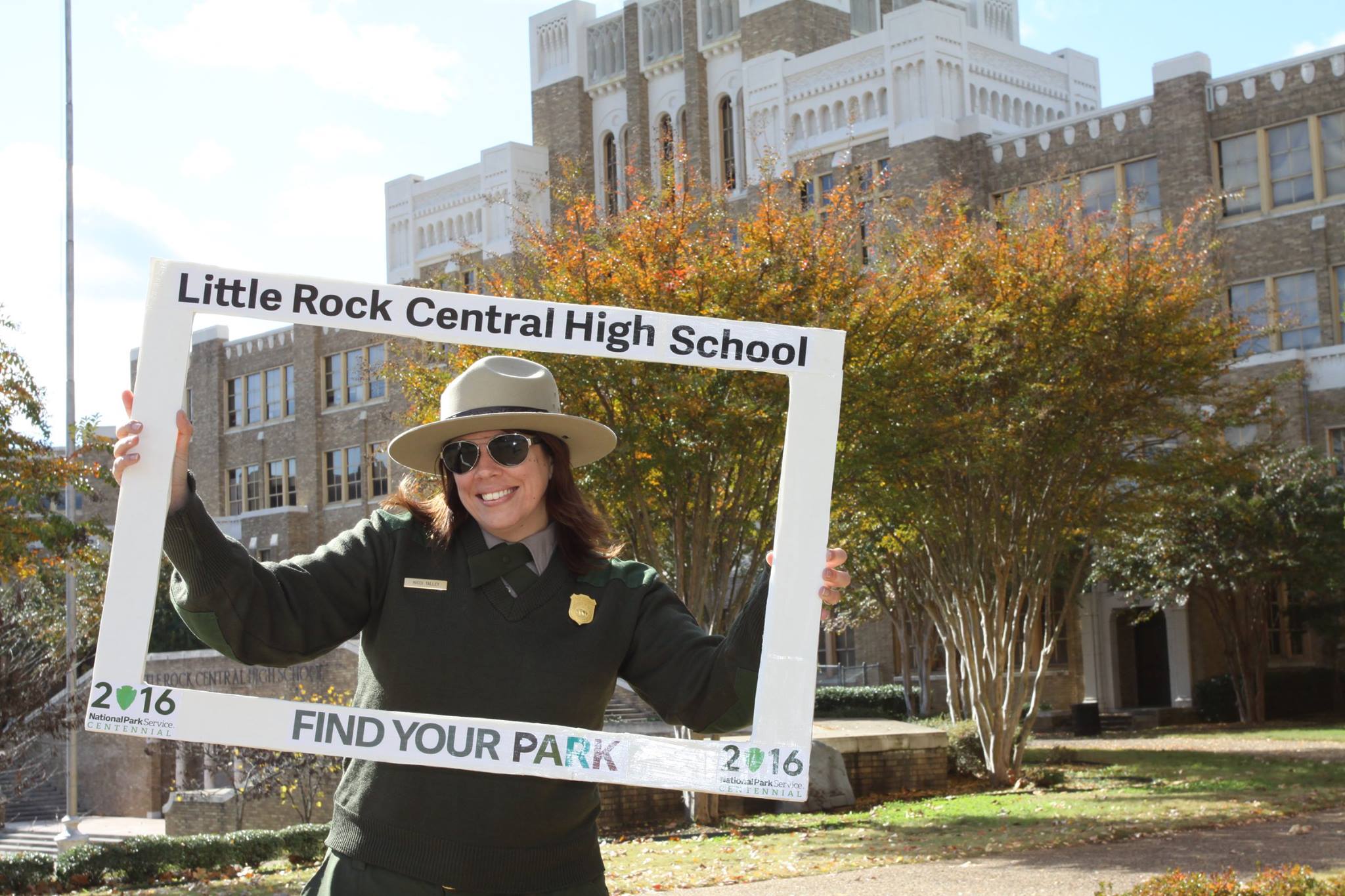
  • It truly seems like yesterday that I was walking into the Central High School National Historical Site Visitor Center in Little Rock, Arkansas, to interview as an interpretation intern with the Pathways Program. Discussing important topics such as integration, while facilitating discussion about oppressive measures such as segregation and the eventual closure of the public schools in the Little Rock area in protest of allowing equal rights to African American students was my daily task. I will always look back fondly on the relationships I observed between the Superintendent of Central High School and our leaders at the Historical Site – not just for their dedication to education, but their inspiring voices that continued to ring regardless of attempts at suppression. I loved my time in Little Rock, where I also was able to graduate with a masters in Public History from the University of Arkansas at Little Rock, with incredible fondness.

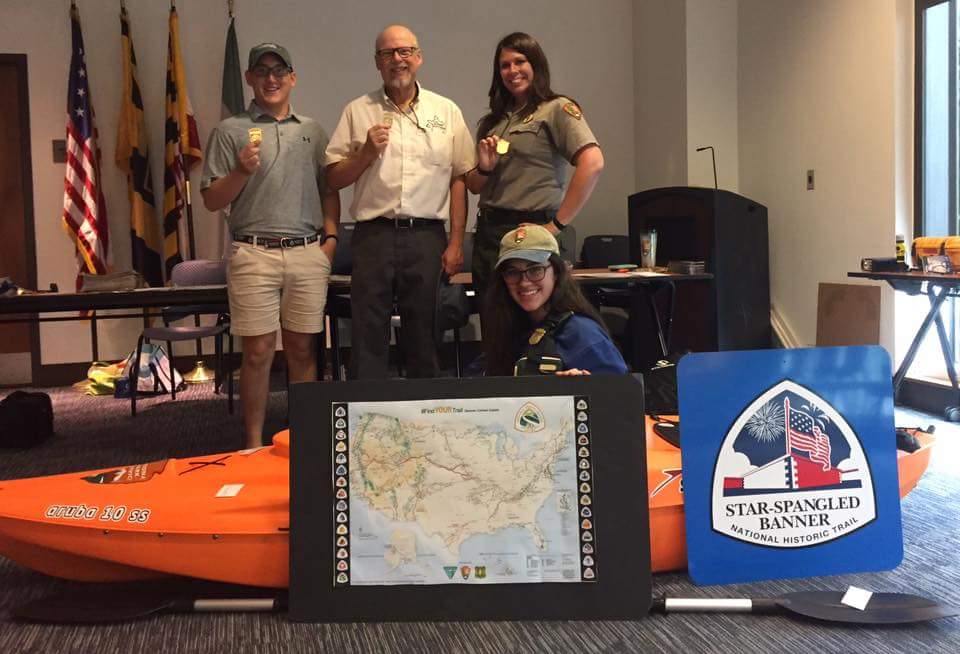
    I was only able to spend a little over a year working for Little Rock Central High School NHS before I graduated and my internship ended. I was fortunate to receive a call from Fort McHenry before my official Pathways term ended asking if I was interested in taking a permanent job as their Fee Manager. Though it was no longer in interpretation, I accepted! The next three years of my life at Fort McHenry turned out to be the most influential in my entire career in terms of understanding the nuances of federal government work. I was also assigned special park use permits and commercial use authorizations – which is a fancy way of saying I helped businesses ‘do business’ on federal lands and worked with the general population to do things outside the scope of the park service – such as a wedding, 5K, allowing professional photography, etc. Lots of training, lots of learning, and lots of exciting opportunities to expand the definition of ‘permitted activities’ and raising revenue collection, all based on newly learned federal laws and regulations. I know it sounds nerdy, but this was very exciting! Towards the end of my time at Fort McHenry, the Star-Spangled Banner National Historical Trail was created. Working on a Junior Ranger program was a highlight of my time at the Fort!

    Unfortunately, there wasn’t opportunities at Fort McHenry when I was there for me to promote up to a supervisor, and that was definitely my goal for my next step in my career. I accepted the Fee Manager position for Glen Canyon National Recreation Area. My greatest achievement while working for this beautiful park was the establishment of fee collection machines that helped increase our revenue even with a smaller staff due to COVID-19. I learned a TON about hiring authorities, leading a team over a vast distance (many of my employees were in another state and I didn’t see them daily!), and working to increase our revenue collection. Not only did our family have an amazing time camping in the beautiful red rock country of Utah and Northern Arizona, but we also were able to explore so many wonderful remote locations that many only see in books or online. We were truly spoiled during our time living in Page, Arizona for Glen Canyon!

    I spent most of my career working at Glen Canyon during COVID-19 and was thankful we were in such a remote location to avoid the harshest cases of the virus. It also allowed me to learn how to be a leader during a national pandemic. Keeping your team calm while also caring for their safety is a whole new level of management that I had no experience in before 2020! What was amazing was the level of teamwork that came out of this experience. Working with people who had a similar mindset when attempting to understand policy in order to enforce it with the public can create a lot of confusion and, eventually, resentment (on both sides of the argument!) Making sure our team kept their head held high even with the many different voices shouting through the fog helped all of us succeed in the end. Those unprecedented times showed how the National Park Service is able to hire like-minded people who care not only about their public lands, but about their fellow human and ranger.

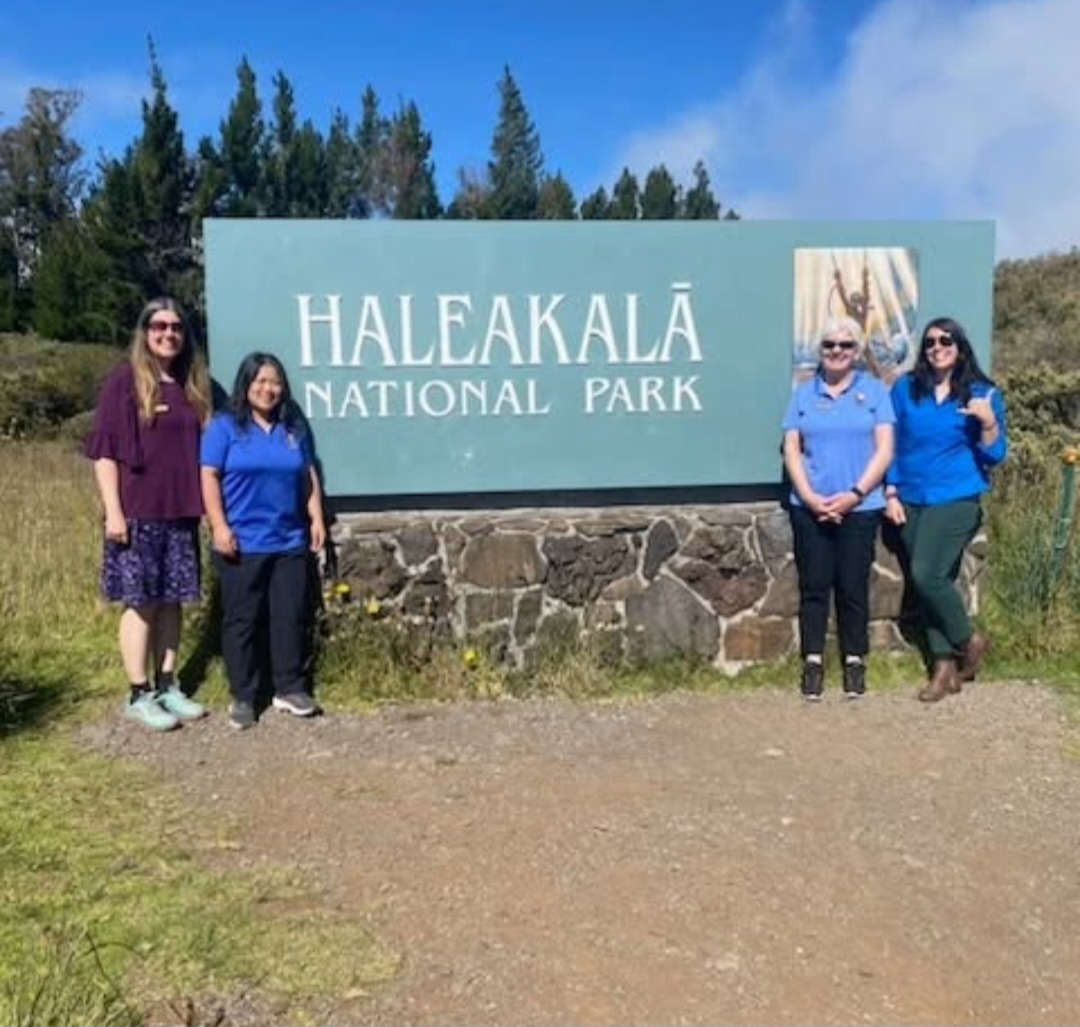
    My time in the park service to this point had exhausted many of my avenues for additional experience with the Recreation Fee Program in the park setting. I applied for and was hired into the Pacific-West region as a Recreation Fee Project Analyst. Hooray – I had reached my proverbial ‘top of the mountain’! The next three years was filled with travel through Hawaii, Washington, and California as I helped parks write projects to meet the FLREA authority for funding. Many cool projects came out of this – fixing the dock at Channel Island for safer boat operations; working with Hawaiian parks to help their fee collection related to natural events such as Kilauea lava flow; and other cool projects that regular base funding would not cover. The team for four I was part of was also amazing – it was just us four for the entire region. This small team was able to tackle over thirty fee collection parks and keep them all in ‘legal line’!

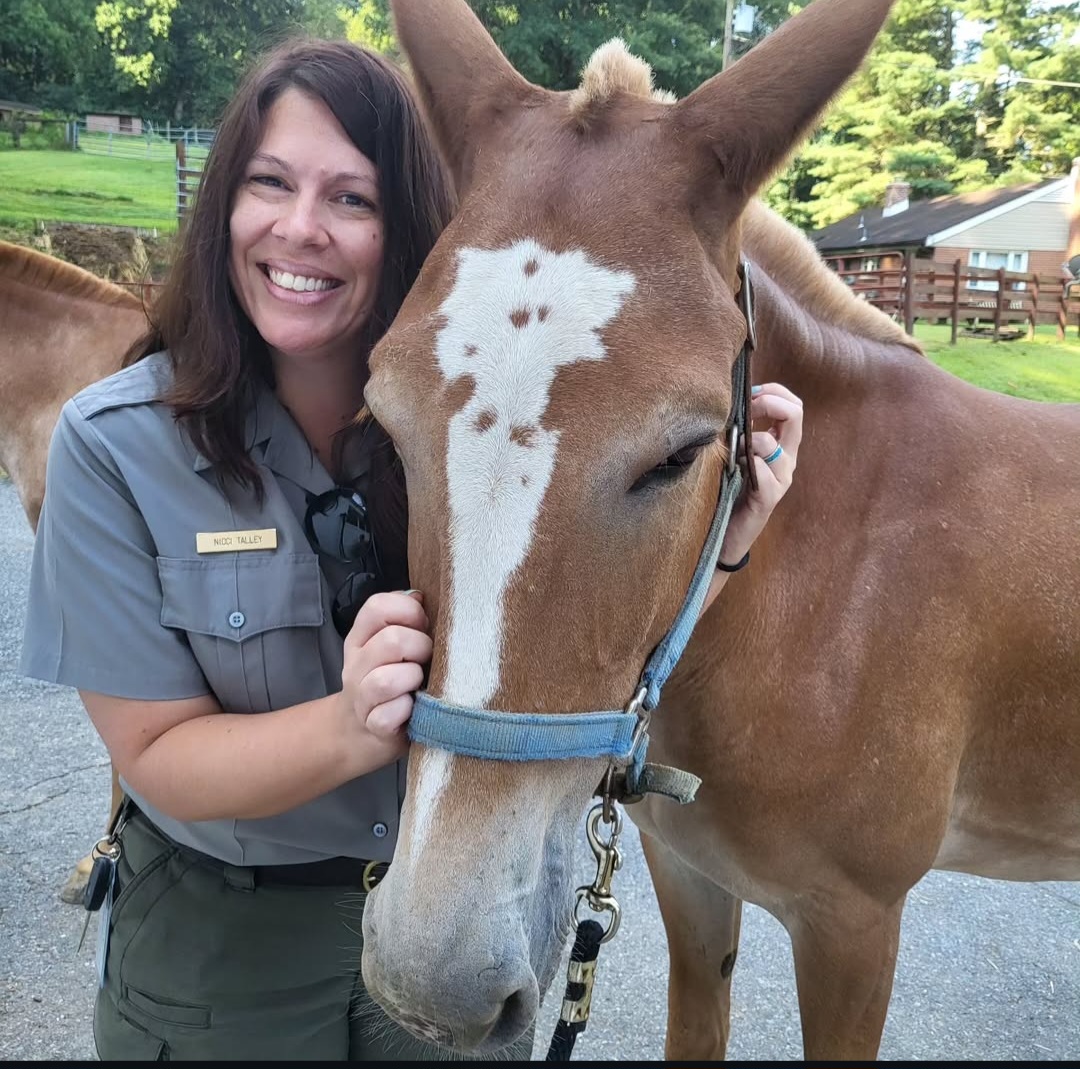
    My last 2.5-3 years working for the park service was at the Chesapeake & Ohio Canal National Historical Park in Potomac, Maryland, where I was truly able to go back to my interpretation/history roots. I was the District Supervisor for an amazing staff of two – three rangers and four-five interns. My last year there I had the pleasure of hosting a Community Volunteer Ambassador – who not only helped me learn much about myself as I did as a mentor/advisor to them. At least, I hope I was seen as a mentor! It was my first true experience training a young individual on work experience/park service/government work, and while last year did throw a lot of curve balls, I think we were pretty successful as a team! I was able to hone my supervisory skills while working on interpretive programming. One of my biggest successes was bringing “music to the canal” with a partnership with the Northern Virginia Dulcimer Group. I loved working with Bill and Linda, a wonderful couple with an enthusiasm for music that I found inspirations. I also enjoyed working with mules! We had four ladies who were not just part of our team, but part of our interpretive programming. I had such a great experience coming back to Maryland!

  • Ever since I was a young girl, I have been fascinated with the night sky. My family owned a small telescope, and we would sit outside and stare up at the stars frequently. Growing up in Orlando, Florida, we were always tuned in when the shuttle launched into space, or a rocket was being tested out at Cape Canaveral. I have to say, I have a true soft spot for dark skies! The first time I truly saw the Milky Way was when I was in Death Valley. I was hooked! Looking up at the night sky, even without a telescope, is one of the joys I have each time I go camping or hiking at night. No exception for my visit to Great Basin National Park!

    Great Basin – Mather Overlook

    Great Basin is not only a dark sky part, it is an INTERNATIONAL Dark Sky Park and is in the Gold-Tier of this designation. The distinction is immediately clear when you visit. Even outside my hotel (I stayed in Baker, NV) I could step outside and see the Milky Way – it was that dark out! While visiting the park, we also attended an astronomy program. They have an amazing group of rangers, all of whom give their own individual program related to astronomy. Our talk was more related to the history of astronomy – I love history, so it was perfect! After their presentation, they set up huge, powerful telescopes and turn off the lights so that you can sit back and look up at the sky. Definitely check with the Visitor Center to see if there is a program when you visit. Even if it seems cloudy out – GO! The clouds cleared and we had a wonderful time. Bring a jacket! You won’t believe it, but you are at a high elevation!

    Lehman Caves

    Before Great Basin was a National Park, it was a National Monument created in 1922 called Lehman Caves. It became a National Park in 1986. The early history of the cave is fascinating. In 1885, Absalom Lehman led tours through the cave. Unfortunately, physical evidence was left behind in the form of inscriptions on the cave walls. When the park service attempted to clean up this vandalism, they discovered that they were doing more damage to the wall than intended. The inscriptions remain today as an example. Because the cave was not protected for years while Lehman gave tours, many of the fragile stalagmites are rounded off and dead – no longer able to continue to grow and live in the wet cave. Now, the rangers do an excellent job of not only pointing out these issues during their tour (while remaining educational), but they also discuss how the cave has evolved through the years. I was not aware that Native Americans revere the caves and will refuse to go beyond the entrance. Why? Because they buried their dead in the area. When the park service started to excavate part of the cave to create another, safer, entrance, they discovered this fascinating part of ceremonial tradition. After consulting the Native Americans, they determined that they would replace the bodies beyond the new entrance. While we walked past the area (you cannot see anything, if you were wondering!) we were asked to remain respectfully quiet until we entered the first room of the cave. I could not believe there was so much history in such a remote area!!

    Camping in Great Basin, which I also highly recommend if you are able, is wonderful because of the amazing night sky. There are multiple campsites, both on recreation.gov and first come first serve, so you can decide which route you want to go when visiting. You can also book your cave tours through recreation.gov, which we did so we could make sure we had a spot. They are very popular! We had around 100 people at the astronomy talk and our tour for the cave was completely full. The park is at a higher elevation, so bring a jacket (plus the cave is COLD). Most importantly, walk around and take in the viewpoints. The park is beautiful. There is a scenic drive that if you only have a few hours to visit, you should definitely fit in. Worth the drive!

    Baker, Nevada, which is just outside the park, is very small. There are only a few restaurants and one gas station. It isn’t too far to another town but be aware that there isn’t much out there! There is a cafe at the Lehman Visitor Center that is excellent – great iced coffee and they actually serve food. Have fun!

  • Believe it or not, I actually lived for an entire year in the state of Nevada when I was first working for the Pacific West Regional Office of the National Park Service. While I had been hired remotely, it was remotely within the region. Page, Arizona was unfortunately just outside that range, so I moved to Mesquite, Nevada! Besides living in Mesquite, we’ve also visited Las Vegas to run a 5K, and visiting state parks like Red Rocks and national parks such as Great Basin. Living in Mesquite was like living in a smaller Vegas – a couple casinos, hotels, and restaurants (plus a golf course!) crossed with a large community like Phoenix. The suburban sprawl was very small and seemed limited based on the surrounding desert area. One of the best views was just outside that “town circle” in the outskirts, where the streetlights are on sensors, the crowds are limited, and you usually see some form of desert wildlife. At the time I lived in Mesquite, I was also training for a rim-to-rim hike of the Grand Canyon and needed an area that had the same desert atmosphere for training as well as longer stretches of land. The Mesquite Regional Park Trailhead was the best place for this as part of a multi trail ring that stretched around the city. It was a very quiet city and, for the record, completely safe. If you are on the way (or leaving) Vegas and need a town to stop – think of Mesquite!

    Let me start off by saying that if you plan to drive in Nevada, be prepared for long stretches of open space that seem to go forever yet end with a huge plateau that seems to be right in front of you. Proportions and distances go out the literal window when trying to explain the vast land that encompasses Nevada. Take precautions when crossing these vast lands! Pack extra water and bring salty snacks. It isn’t uncommon to see signs during the summer months that instruct you to keep your AC usage in your vehicle at a minimum if you are crossing through the desert parts of the state. It is extremely difficult for your engine to cool 125-degree warm air to the 65 degrees you find comfortable! Clinton and I have spent many trips with the windows rolled down and no AC on for as long as we can handle it, and then keeping the AC low when putting it back on. Some of the best views and experiences I’ve had was driving around beautiful Nevada. With that being said, driving fatigue is real! Make sure you trade off with a friend if you plan to drive for many hours in a day and remember that heat can affect you with a long drive.

    Okay, so you’ve figured out how to safely drive and navigate through Nevada – where else should you go? Keeping around the Mesquite / Las Vegas area, you could head out to Valley of Fire State Park to see amazing red rocks in very creepy formations. I recommend driving closer to either sunrise or sunset for that extra spine-tingling feeling! When we drove through, we had such a great time that we ended up camping close by – which is a great way to see dark skies. For National Parks, head further north and visit Great Basin. This is truly the place to visit for dark skies, as they not only have a couple dark sky programs in the park they are also recognized as an International Dark Sky Park. There are only a handful of parks across the country that are allowed this distinction, and it shows with the care and dedication they take towards giving you that education! Rangers led a wide variety of topics, from ancient star gazing techniques to historical observations that led to mythological dedications today. I always seem to learn a lot when visiting Great Basin National Park!

    A blog post about Nevada would not be complete without mentioning Las Vegas, and of course we saved the best for last! Clinton and I were able to stay for a couple days with friends in Vegas so that I could run a 5K and she could run the half-marathon. This was the Rock n’ Roll 5K and while the race itself was pretty expensive, I did think they came all out to support the run – even in the end when it poured freezing rain! They had a stretch-a-thon with loud music and exciting presenters before, during, and after the race. During the race, there were bands and performers every three miles (or in my case, every mile) encouraging you towards that finish line. I had a great time though it was a completely miserable race itself (did I mention it was freezing rain!) but it was also cool running through old Vegas. My friend who ran the half-marathon ran down the main strip, which they closed specifically for the race! That was pretty cool. Walking around the main strip after was an experience in itself. I’ll say this – don’t take anything from anyone you aren’t willing to pay for on the spot. While it felt like a relatively safe city, I wouldn’t keep your guard down when walking around and I absolutely would not wear your wealth around unless you want to be questioned or possibly targeted. We stayed at the MGM Park and had an excellent time – we probably didn’t even need to leave the hotel! You can usually see a performance such as Cirque du Solei or a comedy act within your hotel. Clinton and I are not into gambling, so we did not spend even a cent at any machine or casino but if that is your thing, of course you have plenty of opportunity in Vegas!

    One of the last things about Nevada, I will leave you with is the amazing wildlife that you can find in abundance in the desert. I saw my first scorpion in my apartment while living in Mesquite (don’t worry, I put him in a cup and put him outside) and I will say that the insects seem much larger than I remember them in neighboring Arizona…but all of that is still worth a trip in the dark to see the beautiful sky! I’ve never seen darker skies across the nation beyond the beauty of Nevada. There are tons of ranches across Nevada that are also considered open land. We’ve camped in many of these types of places. Just remember to read the signs so you know where and when you are able to be in those areas and respect the land! There is a reason that they ask you to pack it in and out or not to have fire rings. If the animal is bright, I usually avoid it! There are snakes and lizards and all types of reptiles in the desert that are not your friend but are great to view at a distance. Have a great time out there!

    If you want to visit Nevada, contact us to ask how you can get the best, personalized experience for YOU!