


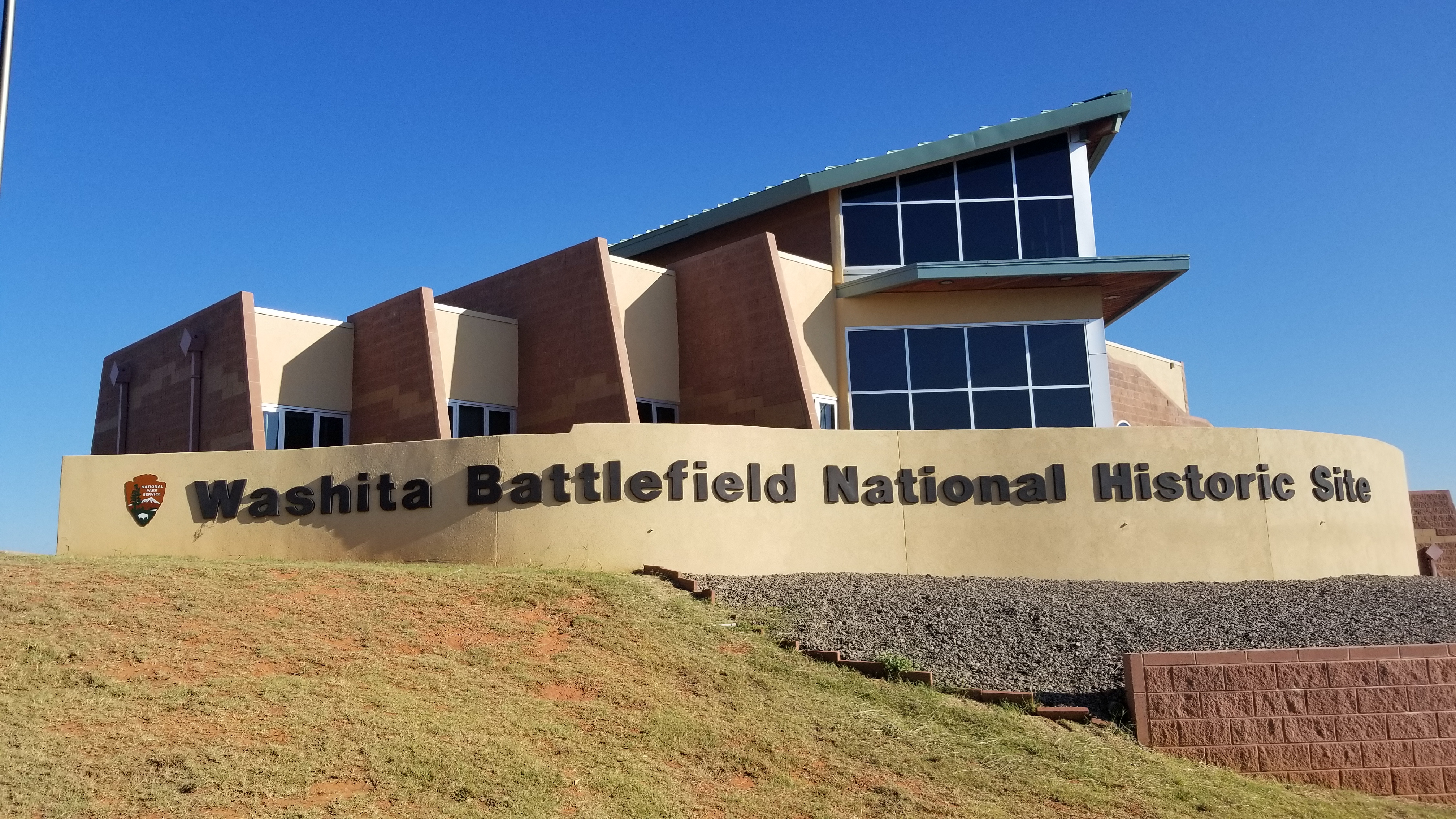
When Clinton and I headed west to Page we mainly stuck to I40 so that we could make time and have an easy drive. We did head out to National Park during out trip so that we could learn more about the landscape and to experience a different perspective of history. One of these trips led us to Washita Battlefield National Historic Site.
Washita Battlefield protects the sit where the Battle of Washita occurred – or more importantly, a small peaceful villiage of Souther Cheyenne of Cheif Black Kettle. Early in the morning on November 27, 1868 the village was attacked by the 7th US Cavalry under Lt. Col. George Custer.
Historically, pioneers and Native Americans consistently collided on the Great Plains during the decades before and after the Civil War. In 1864, four years before the Battle of Washita, troops under the command of Col. J.M. Chivington attacked the destroyed Chief Black Kettle and Chief White Antelope at Sand Creek. Black Kettle’s band had flown an American Flag and a white flag and considered themselves at peace. In response to this massacre, a federal Peace Commission was created. Indian Territory was established in present day Oklahoma and US policy forced Native Americans across the country to relocate to these reservations. In October 1867, the Peace Commission assigned the Cheyenne a reservation in the new Indian Territory.

Native American raids across the plain terrified the settlers. The soldiers mounted campaigns to meet the resistance of forced settlements. Black Kettle and Arapaho Chief Big Mouth went to General William Hazen in Fort Cobb November 1868 to ask for shelter an protection. Their request was refused. Disheartened, Black Kettle still believed that he was safe and refused to move his encampment further downriver closer to the other larger encampments who were also wintering. The massacre began early the next day, with Chief Black Kettle and his wife among those killed.
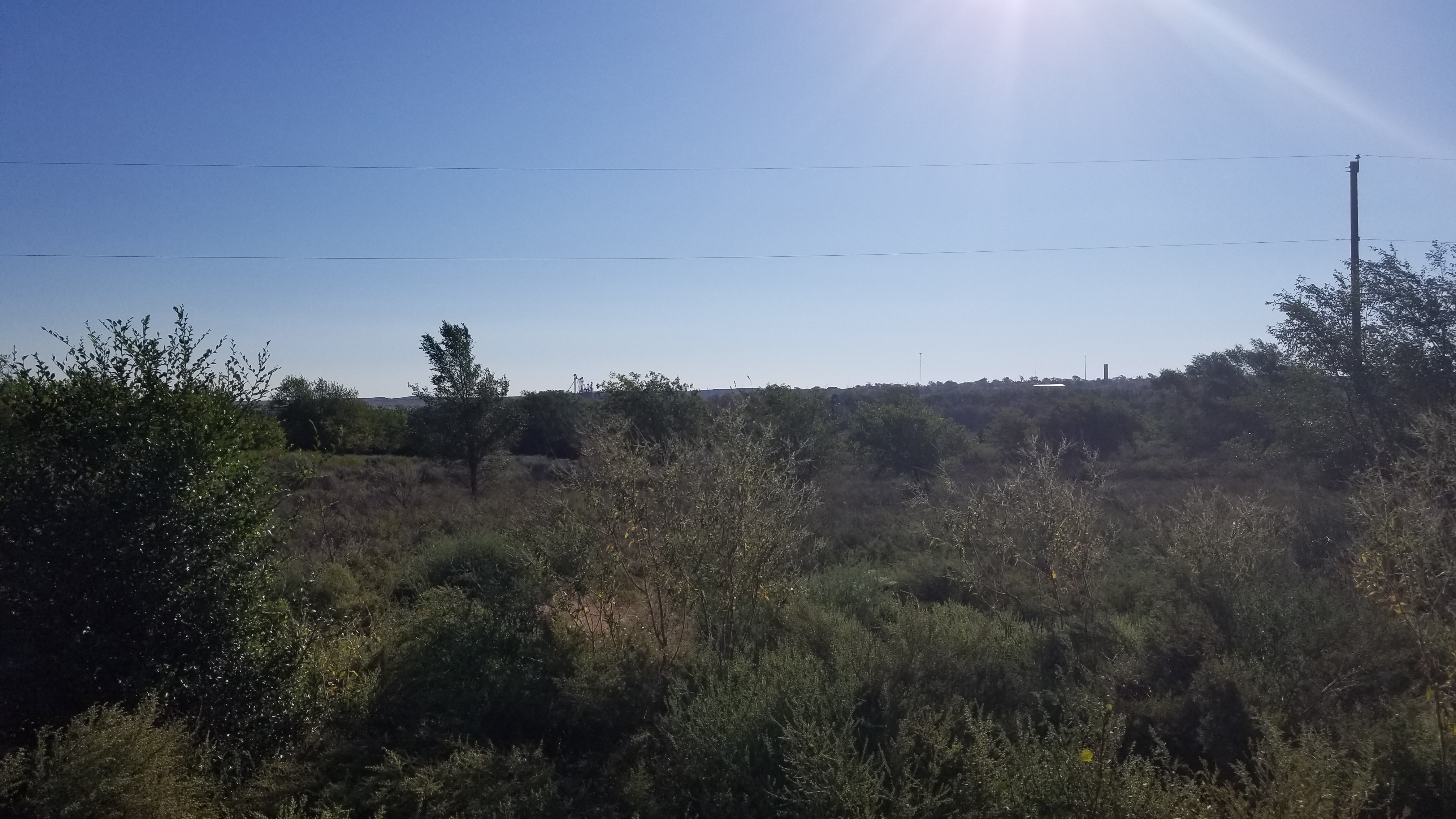
It is so important to visit places like this to get a full 360 view of topics in history, even if they are painful. We were able to take some time and watch the introduction video in the Visitor Center. Afterwards there was a question on the board: Would you go to war? After reading the history, watching the video, and hearing the testimonies it was a powerful statement. Answering it may differ depending on your perspective of course, but it was a great and unobtrusive way of explaining a horrific part of American history. We were unfortunately unable to walk onto the battlefield because dogs were not allowed and we did not want to leave them that long in the car, but if you get the time when visiting it is recommended! Watch the video and drive a little through the surrounding grasslands to get a true understanding of this great area.
 Talley Your Adventure - The Blog
Leave a comment